The Evolution of Rail Systems
History and Milestones
Rail systems have a rich history that dates back to the early 19th century when the first railways began to emerge. The inception of rail systems can be traced back to the steam locomotive, which revolutionized transportation by providing an efficient means to haul freight and passengers over long distances. As railroads expanded, they played a pivotal role in the industrial revolution, connecting cities and facilitating trade. Milestones in this history include the opening of iconic lines, such as the Liverpool and Manchester Railway, which showcased the potential of rail transport.
Technological Advancements
As rail systems evolved, technological advancements significantly transformed their operations. Innovations such as electrification, signaling systems, and automated train operation have enhanced safety and efficiency. Today, high-tech solutions including GPS tracking and real-time data analysis allow for better management of rail schedules and maintenance. Advanced materials like lightweight composites are also being incorporated to improve the design and performance of trains.
Modern Applications and Integration
Modern rail systems are not just confined to traditional passenger and freight services. They play an integral role in urban infrastructure, integrating seamlessly with other modes of transport like buses, trams, and bicycles. This multimodal approach is critical in reducing congestion in urban areas. Innovative urban rail concepts, such as automated people movers and urban light rail systems, are redefining how cities address transportation challenges. The integration of rail systems with smart city initiatives is paving the way for sustainable urban transport solutions.
Types of Rail Systems
Light Rail and Trams
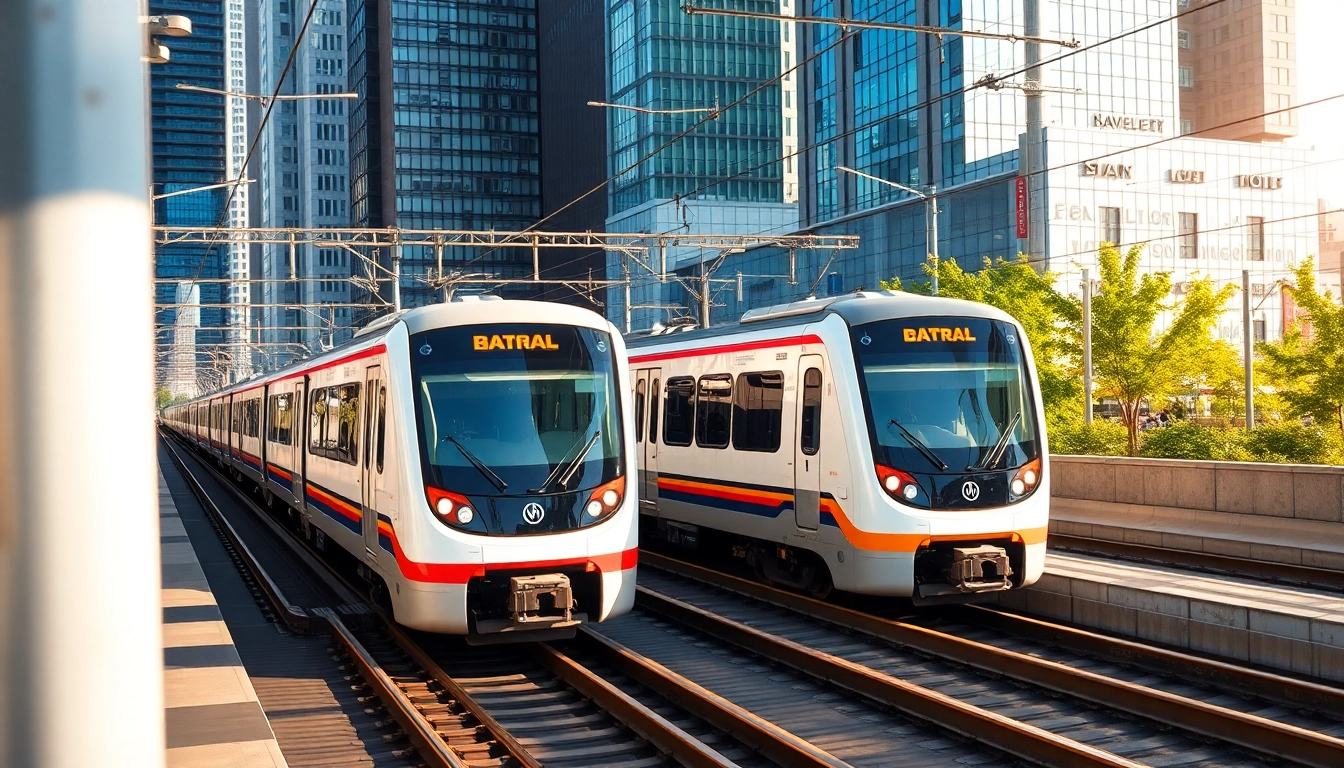
Light rail systems and trams serve as crucial components of public transportation in many urban areas. These networks provide flexible and efficient transit options with lower costs compared to heavy rail. This category often operates on dedicated tracks, making them faster and more reliable amidst city traffic. Many cities are adopting light rail due to their minimal land requirements and the ability to enhance accessibility for various demographic groups.
Heavy Rail and Subways
Heavy rail systems, often associated with subways or metro systems, are characterized by their ability to move a large volume of passengers quickly across extensive networks. These systems operate predominantly underground, allowing them to avoid road congestion and offer high-capacity services. Heavy rail plays a pivotal role in urban commuting, especially in densely populated areas, where they are essential for reducing travel times and improving air quality by minimizing reliance on personal vehicles.
High-Speed Rail Technologies
High-speed rail systems represent the pinnacle of rail innovation, capable of reaching speeds exceeding 300 km/h. These trains connect major cities, reducing travel times significantly compared to conventional rail or air travel. They are engineered with advanced aerodynamics, lightweight materials, and sophisticated signaling systems to ensure safety at high speeds. Countries like Japan, France, and China have set benchmarks for high-speed rail development, demonstrating the feasibility and necessity of this transit mode in modern transportation systems.
Economic Benefits of Rail Systems
Cost-Effectiveness for Urban Transit
Investing in rail systems often leads to substantial savings for cities regarding urban transit. Rail transportation tends to have lower operating costs per mile compared to buses and automobiles, particularly over longer distances. Additionally, rail systems have a lower environmental impact, making them an attractive option for sustainable urban planning.
Impact on Local Economies
Rail systems contribute positively to local economies by improving connectivity, making it easier for businesses to access market opportunities and resources. Areas served by rail systems often see a boost in property values, increased retail and service business activity, and improved job access. For example, regions with efficient rail connections tend to attract new businesses and industries, catalyzing broader economic development.
Job Creation and Industry Growth
The construction and expansion of rail systems stimulate significant job creation. From engineering and construction jobs to ongoing maintenance and operational roles, rail systems provide diverse employment opportunities across multiple sectors. Additionally, the growth of the rail industry often leads to the emergence of related fields, such as rail engineering, design, and technology, further contributing to economic expansion.
Challenges in Rail Systems
Infrastructure Limitations
Despite the benefits, rail systems face challenges, particularly concerning aging infrastructure. Many existing lines require significant upgrades to meet modern safety and operational standards. Additionally, cities may struggle with the limits of current infrastructure, reaching operational capacity during peak times and causing delays and inconvenience for passengers.
Funding and Investment Issues
Securing adequate funding for rail system development can be a challenging task. Many rail projects require substantial initial investment, which may deter public and private funding. Alongside this, fiscal constraints may limit the capacities of local municipalities to finance upgrades or expansions, leading to stagnation in improvements. Innovative financing strategies, such as public-private partnerships, are essential in overcoming these challenges.
Environmental and Community Concerns
The development of rail systems can lead to community pushback due to concerns over environmental impacts and land use. Noise pollution, disturbances to wildlife habitats, and changes to the landscape can trigger opposition from local residents. Engaging community stakeholders early in the planning process and incorporating sustainable practices can help mitigate these concerns and foster a sense of ownership in the community.
The Future of Rail Systems
Trends in Rail Innovation
The future of rail systems will be shaped by continuous innovation. Developments in digital technology, such as big data analytics and artificial intelligence, will optimize rail operations and enhance the passenger experience. Innovations in rolling stock design and construction materials are anticipated to improve passenger comfort, reduce costs, and lower energy consumption.
Sustainability and Green Initiatives
With growing environmental concerns, rail systems are focusing on sustainability initiatives. Many governments and companies are committing to electric and hybrid trains to reduce carbon emissions. Moreover, integrating renewable energy sources, such as solar and wind power, into rail operations is becoming commonplace to enhance sustainability.
The Role of Smart Technology in Rail
Smart technology is revolutionizing rail systems through the implementation of Internet of Things (IoT) devices, enhancing efficiency and safety. Sensor technology allows for real-time monitoring of train systems and infrastructure, enabling predictive maintenance and reducing downtime. Automated systems, including ticketing and operations management, are streamlining processes and improving service quality.
Frequently Asked Questions
What are the main types of rail systems?
The main types include light rail, heavy rail, and high-speed rail, each serving different commuter needs effectively.
How do rail systems contribute to the economy?
Rail systems promote economic growth by providing efficient transport, boosting local businesses, and creating jobs in construction and service sectors.
What are common challenges faced by rail systems?
Challenges include aging infrastructure, funding limitations, and environmental concerns affecting community planning and resource allocation.
How is technology shaping the future of rail systems?
Technology drives innovations like automated systems, smart traffic management, and eco-friendly designs, enhancing efficiency and sustainability.
What is the role of high-speed rail in modern transit solutions?
High-speed rail offers fast, energy-efficient travel between cities, reducing road congestion and promoting greener transport alternatives.
Contact Information
Call Us: 780.400.4104Email: [email protected]Address: 3403 74 AVE NW , T6B 3B8