The Science Behind SHASHEL® Microwave Technology
Microwave technology is transforming how industries combat wood-boring insects. SHASHEL® is at the forefront of this innovation, offering a chemical-free solution to eliminate woodworms and other pests effectively. As we dive deeper into the science behind this technology, it’s crucial to understand the mechanics of how it operates and the benefits it provides to woodworkers and homeowners alike.
What is SHASHEL® Technology?
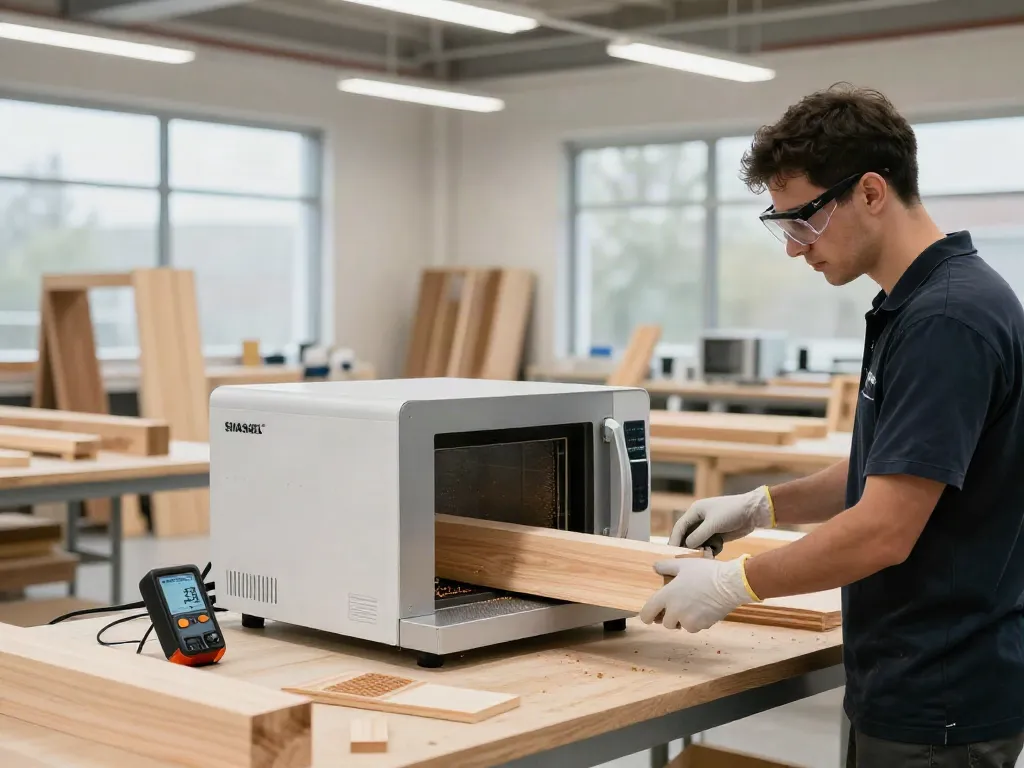
SHASHEL® technology employs advanced microwave equipment designed specifically for combating wood-eating insects. The SHASHEL® system harnesses the energy produced by microwaves, which is directed into the wood, creating heat within the material. This method not only disrupts the life cycle of woodboring insects but also kills larvae and eggs, effectively eliminating infestations without the adverse effects associated with chemical treatments.
How Microwave Treatment Works for Wood
Microwaves penetrate wood at varying depths, depending on the material's density and moisture content. Upon exposure, the bugs absorb the microwave radiation, which raises their temperatures rapidly to a lethal level. The treatment is efficient, capable of eliminating pests within minutes while ensuring no harmful residues are left behind. This precision eliminates worries about structural integrity or potential contamination, making it an ideal choice for both residential and commercial applications.
Benefits of Chemical-Free Insect Elimination
One of the most significant advantages of using SHASHEL® technology is its commitment to eco-friendliness. By eliminating the need for chemicals, users can maintain a safer environment, especially in settings involving children or pets. Furthermore, the deep penetration capabilities of microwave technology ensure that even hard-to-reach areas are effectively treated. This chemical-free approach also aligns with increasing consumer demand for sustainable and environmentally friendly methods.
Understanding Wood-boring Insects and Their Impact
Wood-boring insects, such as woodworms and beetles, pose a severe threat to wooden structures. Understanding these pests is vital not only for elimination but also for prevention. An infestation can lead to significant structural damage, compromising the integrity of furniture, floors, and even entire buildings.
Common Types of Woodworms and Their Damage
The most common types of woodworms include the common furniture beetle, the house longhorn beetle, and powderpost beetles. Each species targets wood differently, leading to varying degrees of damage. For instance, the common furniture beetle infests softwoods and is known to cause extensive damage if left untreated. It can create tiny exit holes and leave behind frass (wood dust), which are key indicators of an infestation.
Identifying Infestations in Wooden Structures
Identifying infestations early is critical. Signs include visible exit holes, damp spots in the wood, and the presence of frass. Additionally, a distinctive sound may be heard as larvae feed within the wood—a telltale sign of an active infestation. Regular inspections and monitoring can help catch these pests before they cause irreversible damage.
Long-Term Effects of Ignoring Pests
Neglecting wood-boring insect infestations can lead to dire consequences. Beyond cosmetic damage, untreated infestations can compromise the strength of load-bearing beams and structural timbers. This not only results in increased repair costs but may also require complete replacements of affected wood. Long-term exposure to these pests can decrease property value and lead to more extensive renovations down the line.
Implementing SHASHEL® in Your Woodworking Process
Incorporating the SHASHEL® equipment into woodworking processes can significantly enhance productivity and quality while reducing costs associated with pest control. By integrating this technology, woodworkers can ensure the longevity and integrity of their products.
Step-by-Step Guide to Using SHASHEL® Equipment
- Preparation: Ensure that the wood is dry and free of excessive moisture to maximize the effectiveness of the treatment.
- Setup: Position the SHASHEL® equipment according to the manufacturer's guidelines, ensuring optimal microwave penetration.
- Treatment: Initiate the microwave treatment, monitoring the process to ensure all parts of the wood are adequately treated.
- Post-Treatment Inspection: After the treatment, inspect the wood thoroughly for any remaining signs of pest activity.
- Follow-Up: Implement strategies for ongoing monitoring and maintenance to prevent future infestations.
Best Practices for Wood Preparation
Before using SHASHEL® technology, preparing the wood is essential. This includes drying the wood to below 20% moisture content, as this enhances microwave effectiveness. Cleaning the wood surface to remove any dirt or debris is also necessary for optimal results.
Integrating SHASHEL® into Existing Workflow
Integrating SHASHEL® equipment into existing workflows should involve training for staff on the operation of the technology and the understanding of pest control. This can lead to increased efficiency and productivity across the board. Additionally, maintaining records of treatments can help improve future workflows and pest management strategies.
Real-World Applications and Success Stories
The application of SHASHEL® technology has proven to be effective in various scenarios, from small artisan workshops to large-scale commercial operations. Success stories abound, showcasing the efficacy and reliability of this method in pest control.
Case Study: Restoring Vintage Furniture
A recent case involved a restoration company specializing in vintage furniture. After a detailed inspection revealed woodworm damage, they implemented SHASHEL® technology. The treatment successfully eliminated the infestation while preserving the furniture's integrity, ensuring that the restored pieces maintained their historical value and aesthetic appeal.
Impact on Commercial Woodworking Operations
Commercial woodworking operations have particularly benefited from adopting SHASHEL® technology. By eliminating the need for toxic chemical treatments, businesses have seen a reduction in labor costs associated with pest management. The speed of microwave treatment means that operations can resume quickly, minimizing downtime and enhancing overall productivity.
Feedback from SHASHEL® Users
Feedback from users highlights the ease of use and efficiency of SHASHEL® equipment. Many have noted significant improvements in pest elimination rates compared to traditional methods. The technology's effectiveness, coupled with its environmentally friendly approach, has led to widespread approval among woodworking professionals.
Future Trends in Wood Treatment Technology (2026 and Beyond)
As the demand for sustainable practices grows, so too does the need for innovative pest control solutions. The future of wood treatment technology is likely to see ongoing advancements that further reduce environmental impacts while maintaining effectiveness.
Upcoming Innovations in Microwave Technology
Innovations in microwave technology for pest control may include enhanced frequency modulation for deeper penetration and more effective pest targeting. Furthermore, the integration of IoT devices could allow for real-time monitoring of infestations, enabling proactive measures rather than reactive ones.
Predictions for Sustainable Woodworking Practices
With increasing pressure for sustainable practices, woodworking companies are expected to adopt more eco-friendly pest management techniques. The shift towards chemical-free solutions like SHASHEL® aligns perfectly with these sustainability goals, offering a compelling alternative in the market.
Adapting to Changing Consumer Demands
As consumer awareness of environmental issues rises, companies that prioritize sustainable pest control methods will likely see a competitive advantage. Adapting to these changing preferences will be pivotal for maintaining market relevance and customer loyalty.
What types of wood can SHASHEL® be used on?
SHASHEL® technology is versatile and can be applied to a wide range of wood types, including softwoods and hardwoods. Its effectiveness across various densities makes it an ideal choice for different woodworking projects.
Is SHASHEL® equipment safe for home use?
Yes, SHASHEL® equipment is designed with user safety in mind. The technology produces no harmful chemical residues, making it suitable for both professional and home use. However, users should follow safety guidelines to ensure proper operation.
How long does a typical treatment take?
A typical treatment with SHASHEL® equipment can take as little as 10 to 30 minutes, depending on the size and density of the wood being treated. This rapid turnaround allows for minimal disruption to ongoing projects.
Can SHASHEL® help with a current infestation?
Absolutely! SHASHEL® is specifically designed for effective pest control, making it an excellent choice for addressing current infestations. Its deep penetration and high effectiveness ensure thorough treatment of the affected wood.
What maintenance is required for SHASHEL® equipment?
Maintaining SHASHEL® equipment involves regular cleaning and periodic inspections to ensure optimal performance. Following the manufacturer's guidelines for care will help prolong the equipment's lifespan and maintain its effectiveness.