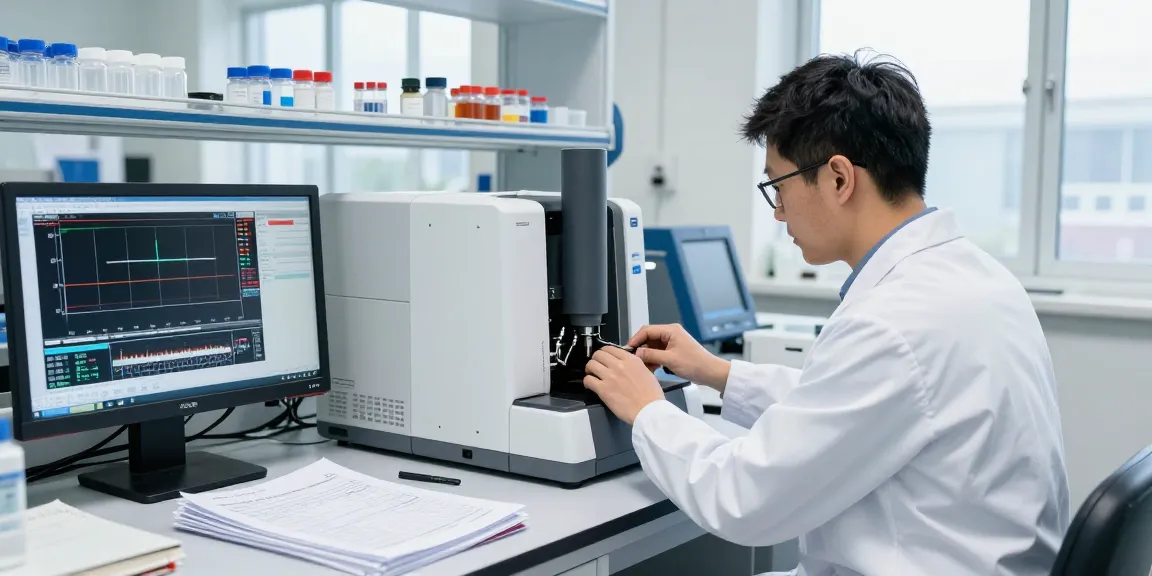
Understanding Purity in Analytical Testing
Purity is a fundamental concept in analytical testing, especially within the realms of pharmaceuticals and biochemistry. It refers to the proportion of a specified substance in a sample, typically expressed as a percentage. This measurement is crucial, as it directly influences the effectiveness and safety of pharmaceutical products, making high-quality analytical services such as those offered by Aegean Labs incredibly important. The ability to accurately assess purity ensures that medications meet regulatory standards, thus safeguarding public health.
What is Purity in the Context of Peptide Analysis?
In peptide analysis, purity describes the amount of a specific peptide in a sample compared to other substances. A peptide may be considered pure if it shows minimal contamination from other peptides or by-products. High purity is especially vital for therapeutic peptides used in clinical settings, where impurities may lead to adverse effects or reduced efficacy. Therefore, precise methods for measuring peptide purity, such as HPLC (High-Performance Liquid Chromatography), are indispensable for scientists and product developers.
Importance of Accurate Purity Measurements for Pharmaceuticals
Accurate measurements of purity in pharmaceuticals are paramount for several reasons:
- Regulatory Compliance: Regulatory bodies require that drugs achieve specified purity levels to ensure safety and efficacy.
- Safety Profile: Impurities can alter the pharmacodynamics and pharmacokinetics of a drug, potentially leading to harmful side effects.
- Market Trust: Pharmaceutical companies that consistently produce high-purity products build trust and credibility with healthcare providers and patients.
Thus, the analytical services that measure purity and confirm it with rigorous testing standards are essential in the pharmaceutical landscape.
Common Techniques Used to Measure Purity
Several analytical techniques are employed to measure the purity of peptides and other compounds:
- High-Performance Liquid Chromatography (HPLC): This method is extensively used for its ability to separate and quantify components within complex mixtures.
- Mass Spectrometry (MS): Often coupled with liquid chromatography, MS helps identify and characterize molecules, providing further insights into purity.
- Nuclear Magnetic Resonance (NMR): NMR spectroscopy can provide information on the molecular structure, confirming purity through structural analysis.
The Advanced Technologies at Aegean Labs
Aegean Labs is at the forefront of analytical testing, utilizing state-of-the-art technologies that ensure the highest accuracy in peptide analysis. Key technologies employed at Aegean Labs include HPLC and Mass Spectrometry, both recognized for their reliability and precision.
High-Performance Liquid Chromatography (HPLC) Explained
HPLC is a powerful technique used to separate, identify, and quantify each component in a mixture. By employing a mobile phase that pushes the sample through a stationary phase, different substances can be isolated based on their interaction with the stationary phase. For peptides, HPLC with UV detection at 214nm is particularly effective, as it allows for detailed analysis of peptide purity by providing chromatograms that visually represent separation profiles.
Mass Spectrometry: Unraveling Molecular Identity
Mass Spectrometry (MS) plays a critical role in peptide analysis by measuring the mass-to-charge ratio of ionized particles. This allows for the identification of molecular structures and confirmation of the identity of compounds. LC-MS/MS, a technique that combines liquid chromatography with tandem mass spectrometry, enables high-resolution analysis, making it particularly beneficial for characterizing complex peptide mixtures and confirming their purity.
Customized Analytical Methods for Unique Peptides
Recognizing that not all peptides are created equal, Aegean Labs offers tailored analytical methods designed for specific testing requirements. This customization can include variations in sample preparation, testing conditions, and detection techniques, ensuring that each peptide's unique characteristics are accurately studied. This adaptability is crucial in research and development, where peptide specificity can significantly impact outcomes.
Reporting Standards and Integrity at Aegean Labs
With a strong commitment to transparency and accuracy, Aegean Labs adheres to stringent reporting standards that ensure clients receive comprehensive insights into their analytical results. Each report not only states the purity level but also provides detailed context regarding the testing procedures and methodologies used.
What to Expect from Your Analytical Report
A typical analytical report from Aegean Labs includes the following components:
- HPLC Chromatograms: Visual representations showing the separation profile used to assess purity.
- Mass Spectrometry Data: Analytical signals supporting the identity of the target compound.
- Methodology Details: Information about the testing approach, instrumentation, and workflow.
This level of detail not only provides clarity but also fosters confidence in the testing process.
Verification Systems: Ensuring Authenticity of Results
Each report issued by Aegean Labs comes with a unique verification ID. This ensures that clients can verify the authenticity of their reports through an instant verification system. Such systems are crucial in maintaining laboratory integrity and enhancing trust between service providers and clients, particularly in sensitive areas like pharmaceutical development.
Case Studies of Successful Analytical Outcomes
To illustrate the efficacy of the analytical methods employed at Aegean Labs, several case studies have demonstrated successful outcomes:
- Case Study 1: A global pharmaceutical company utilized Aegean Labs for a comprehensive HPLC and MS analysis of a novel peptide therapeutic, resulting in confirmation of high purity and identification of critical impurities.
- Case Study 2: A research institute engaged Aegean Labs for custom analytical methods to characterize a unique peptide, leading to significant findings that contributed to innovative therapeutic approaches.
Challenges in Analytical Testing and Solutions
Despite advancements in analytical techniques, challenges remain in measuring peptide purity effectively. Addressing these challenges is essential for continuous improvement in laboratory practices.
Common Misconceptions about Peptide Purity Testing
One prevalent misconception is that “pure” peptides can be easily obtained. In reality, the complexity of biological samples and synthesis processes often results in the presence of impurities. Understanding the limits of available testing methods is crucial for clients to set realistic expectations.
Addressing Limitations of Standard Testing Methods
Standard testing methods, while effective, may not always provide a complete picture of a peptide's purity. For instance, traditional HPLC may not distinguish between similarly structured peptides. To address this, Aegean Labs employs advanced techniques and tailored methods that enhance the sensitivity and specificity of results.
Best Practices for Sample Handling and Preparation
Sample handling and preparation significantly impact the integrity of analytical results. Best practices include:
- Ensuring samples are collected and stored in appropriate conditions to prevent degradation.
- Using consistent and validated methodologies during sample preparation to maintain reliability.
- Training personnel thoroughly to minimize human error during the sample analysis process.
Future Trends in Analytical Testing for 2026 and Beyond
The field of analytical testing is poised for considerable advancements over the next few years, influenced by emerging technologies and evolving industry standards.
Emerging Technologies in Analytical Chemistry
New technologies such as artificial intelligence and machine learning are beginning to play a transformative role in analytical testing. They can enhance data analysis capabilities, improve the speed of testing processes, and even lead to the development of predictive models for anticipating peptide behavior.
Predictions for the Future of Peptide Analysis
Looking ahead, peptide analysis will likely become increasingly automated and integrated with data analytics platforms. This evolution will not only streamline workflow processes but also enhance the overall accuracy of purity assessments.
How Aegean Labs Is Paving the Way Forward
Aegean Labs is committed to adopting these emerging technologies in analytical testing. By continually refining methodologies and integrating advanced tools, Aegean Labs positions itself at the forefront of the analytical landscape, ensuring clients benefit from the latest developments in the scientific community.
What Are the Key Benefits of Advanced Analytical Techniques?
The key benefits of advanced analytical techniques include:
- Enhanced Accuracy: Improved resolution and sensitivity lead to more reliable data.
- Faster Turnaround Times: Automation and improved methodologies can decrease the time from sample submission to report delivery.
- Greater Insight: Advanced capabilities allow for more comprehensive analysis, revealing information that can guide research and development decisions.