Understanding the Reggio Emilia Approach
The Reggio Emilia Approach is an innovative educational philosophy that originated in the Italian city of Reggio Emilia after World War II. This approach emphasizes the importance of early childhood education and focuses on the principle that children are capable, curious, and eager to learn. The Reggio Emilia Approach is characterized by its child-centered, inquiry-based framework, allowing children to explore their interests in a supportive environment. By fostering an atmosphere of curiosity and creativity, educators guide children through self-directed projects that cultivate their critical thinking and problem-solving skills. When exploring options, Reggio Emilia Approach provides comprehensive insights into this educational philosophy's benefits and methodologies.
What is the Reggio Emilia Approach?
The Reggio Emilia Approach is built on the belief that children learn best when they are provided with opportunities to explore their surroundings actively and engage in projects that interest them. This educational model promotes collaboration, creativity, and communication, allowing children to express themselves through various mediums, such as art, music, and movement. Unlike traditional education models that focus on rote learning, the Reggio Emilia Approach emphasizes hands-on experiences and dialogue, which fosters deeper understanding and retention of knowledge.
Core Principles of the Reggio Emilia Approach
- Child-Centered Learning: Children are viewed as active participants in their learning journey.
- Environment as the Third Teacher: The physical space is designed to enhance exploration, creativity, and interaction.
- Collaborative Learning: Learning occurs in groups, encouraging dialogue and teamwork.
- Documentation of Learning: Teachers document children’s thoughts and progress, creating a narrative that reflects learning processes.
Comparing Traditional vs. Reggio Emilia Methods
Traditional education methods often prioritize standardized testing and set curricula, while the Reggio Emilia Approach tailors learning experiences to individual children's interests and strengths. In a traditional classroom, the teacher is the primary knowledge holder, whereas, in the Reggio model, the teacher acts as a facilitator, guiding children as they explore their own questions and ideas. This shift from a teacher-led directive to a collaborative exploration has been shown to enhance children's engagement and learning outcomes.
Benefits of the Reggio Emilia Approach for Child Development
Fostering Creativity and Critical Thinking Skills
One of the significant advantages of the Reggio Emilia Approach is its ability to nurture creativity among young learners. Through open-ended projects that encourage experimentation, children learn to think critically and approach problems from different perspectives. They are encouraged to ask questions, make connections, and explore solutions, fostering skills that are essential for lifelong learning and adaptation.
Enhancing Social Skills and Emotional Intelligence
Collaboration is at the heart of the Reggio Emilia Approach, with children frequently working in small groups. This collaborative environment not only enhances their social skills but also improves their emotional intelligence as they learn to listen, share, and negotiate with peers. Such social interactions are crucial in developing empathy and understanding, which will serve them well into adulthood.
Supporting Holistic Growth in Early Learners
The holistic nature of the Reggio Emilia Approach ensures that children's development spans intellectual, emotional, social, and physical domains. By integrating various hands-on activities—including art, music, and outdoor exploration—children develop a well-rounded skill set. This comprehensive development leads to well-adjusted individuals who are better prepared to face life's challenges.
Implementing the Reggio Emilia Approach in Your Classroom
Creating an Inspiring Learning Environment
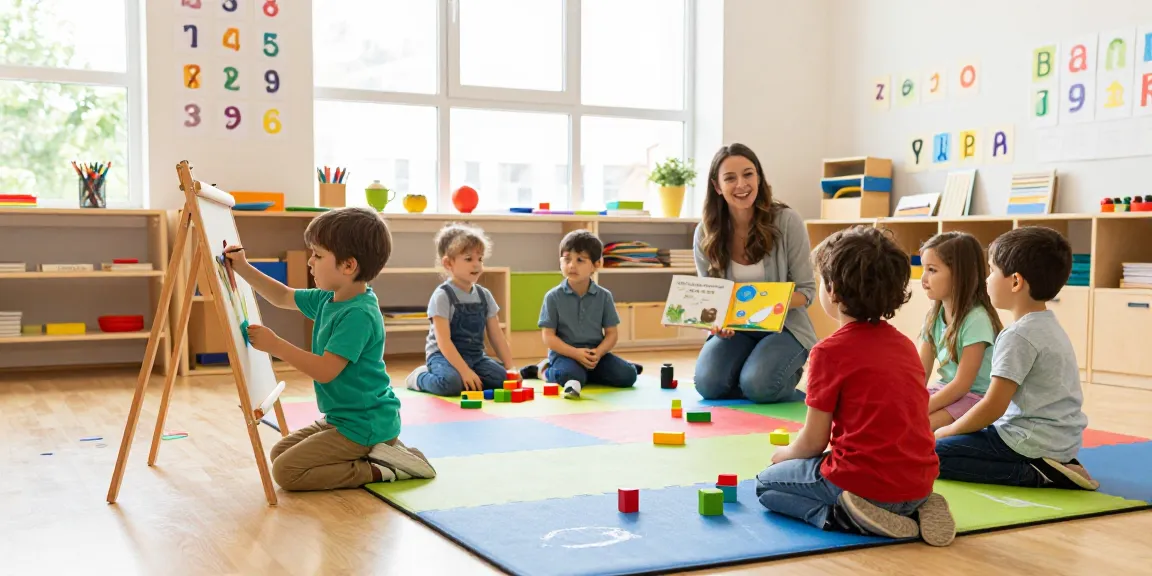
To effectively implement the Reggio Emilia Approach, educators must create a learning environment that reflects openness, creativity, and accessibility. Classrooms should be filled with natural light, diverse materials, and flexible spaces that promote exploration. This environment should encourage children to move freely, engage with their peers, and interact with various learning materials, enhancing their curiosity and passion for learning.
Engaging Families in the Learning Process
Family involvement is a crucial component of the Reggio Emilia Approach. Educators should actively engage families in their child's educational journey through regular communication, workshops, and showcases of student work. This engagement fosters a community atmosphere, allowing families to feel valued and included in their child's learning experience.
Assessment Techniques within the Reggio Framework
Assessment in the Reggio Emilia Approach is a continuous process that involves documenting children's progress through various means, including photographs, notes, and children’s work samples. Unlike traditional assessments that often rely on standardized tests, the Reggio framework focuses on developmental milestones and individual growth. This documentation not only provides valuable insights for educators but also illustrates the children's learning journey for parents.
Challenges in Adopting the Reggio Emilia Approach
Addressing Misconceptions About Its Effectiveness
Despite its growing popularity, some misconceptions persist about the Reggio Emilia Approach, particularly regarding its effectiveness. Critics may argue that the approach lacks structure or rigor; however, proponents assert that the deep engagement this model fosters leads to higher-quality learning. Educators need to clearly communicate the approach's benefits and research backing its success to address these misconceptions.
Overcoming Resource Limitations for Implementation
Implementing the Reggio Emilia Approach can be resource-intensive, requiring various materials and a flexible learning environment. Schools might face challenges in budgeting for these necessities, leading to a potential compromise in implementation. To overcome this, educators can seek community partnerships, grants, or donations to secure the tools and materials required to create a rich learning environment.
Training and Development for Educators
For the Reggio Emilia Approach to be effective, educators must undergo comprehensive training to understand its principles and effective implementation strategies. Continuous professional development opportunities are essential for teachers to enhance their knowledge and practice, ensuring that they can facilitate learning experiences that align with the Reggio philosophy.
Future Trends and Predictions for the Reggio Emilia Approach
Integration of Technology in Inquiry-Based Learning
The future of the Reggio Emilia Approach will likely see greater integration of technology within inquiry-based learning. As digital tools become more prevalent in education, educators can use them to enhance storytelling, documentation, and collaborative projects. This integration can support children in exploring their interests through various platforms and mediums, allowing for a richer learning experience.
Global Adoption of Reggio Principles in Diverse Settings
As awareness of the Reggio Emilia Approach continues to increase, more schools worldwide are adopting its principles, adapting them to fit their unique cultural contexts. This global adoption signifies a shift towards more progressive educational practices that prioritize holistic learning and child engagement, contrasting with the traditional, rigid education systems still found in many regions.
Anticipated Developments in Early Childhood Education
In the coming years, trends such as personalized learning paths and an emphasis on emotional well-being in education will likely complement the Reggio Emilia Approach. These developments will foster environments where children can pursue their passions while also learning essential life skills, preparing them for the complexities of the modern world.
FAQs about the Reggio Emilia Approach
How does the Reggio Emilia Approach benefit my child?
The Reggio Emilia Approach benefits children by fostering their natural curiosity, promoting creativity, and encouraging collaboration. By engaging in self-directed projects, children develop critical thinking and problem-solving skills that are vital for their future learning.
What age group is best suited for this educational model?
The Reggio Emilia Approach is particularly effective for children from infancy through kindergarten. However, its principles can be adapted for older children, as the focus on inquiry and exploration remains relevant throughout a child's educational journey.
How can parents support the Reggio Emilia Approach at home?
Parents can support the Reggio Emilia Approach by providing opportunities for exploration and creativity at home. Encouraging children to express their thoughts and feelings, engaging in open-ended conversations, and facilitating hands-on projects will reinforce their learning experiences.
Are there specific training programs for teachers?
Yes, there are numerous professional development programs available for educators interested in the Reggio Emilia Approach. These programs vary in duration and depth, providing teachers with the strategies and knowledge necessary to implement this educational model effectively.
What resources are available to learn more about this approach?
There are several books, websites, and workshops dedicated to the Reggio Emilia Approach. Educators and parents can explore these resources to deepen their understanding and discover ways to implement its principles in their settings.