Understanding Plate Rolling Techniques
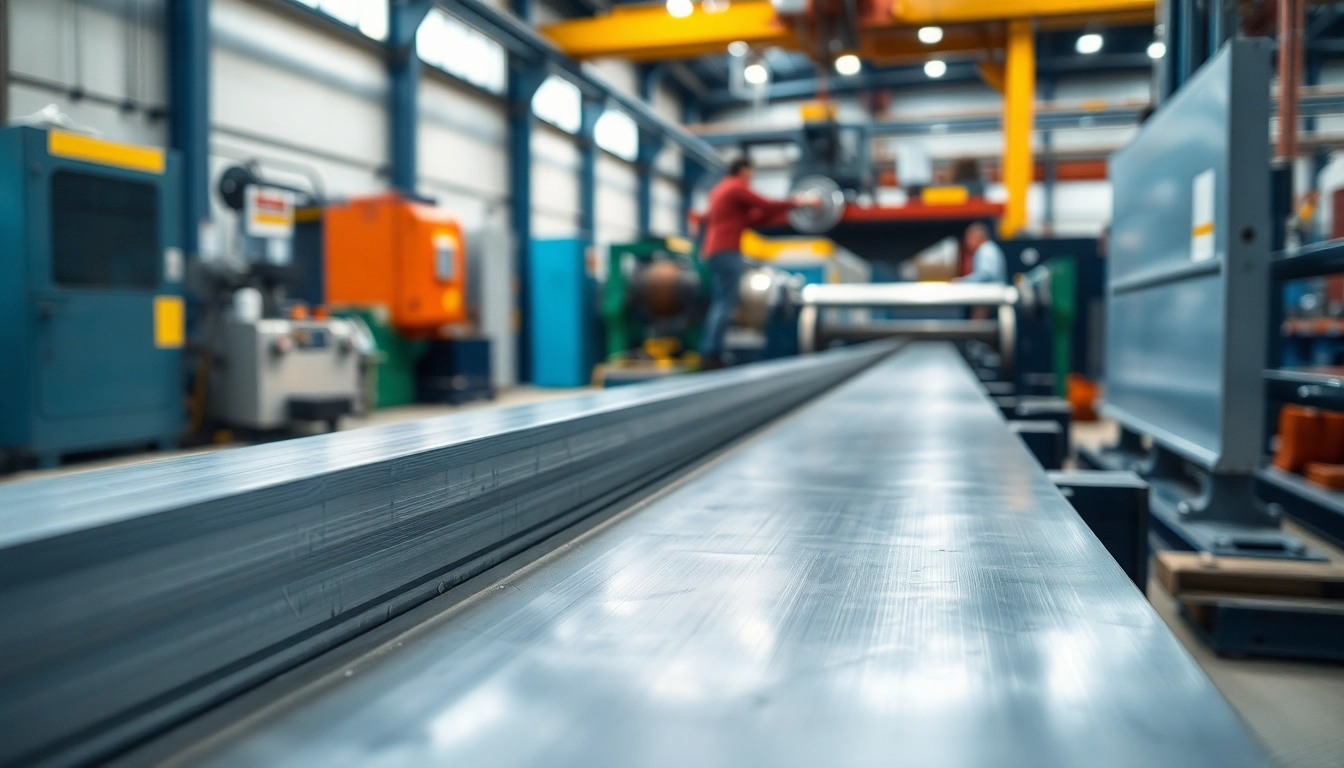
Plate rolling is a fundamental process in the metalworking industry that involves bending plate materials into specific shapes, such as cylinders or cones. This technique is essential for creating components used in various applications, from construction to automotive manufacturing. A comprehensive understanding of plate rolling techniques helps professionals optimize production efficiency and improve quality in their projects.
What is Plate Rolling?
Plate rolling refers to the process of bending metal plates into curves or circular shapes using specialized machinery, typically referred to as plate rollers or bending rolls. This process can produce varying shapes, including cylindrical, conical, and elliptical forms, depending on the design specifications. Plate rolling is different from other metalworking processes, such as cutting or punching, in that it focuses on modifying the shape of the material without removing significant portions.
Types of Plate Rolling Methods
There are primarily three methods of plate rolling: three-roll bending, four-roll bending, and hydraulic bending. Each method has distinct advantages and applications, making it important for professionals to choose the appropriate technique based on their project requirements.
- Three-roll Bending: This method utilizes three rolls arranged in a triangular configuration. The material is fed through the rolls, which apply pressure to bend the plate gradually. This method is ideal for producing large-diameter cylinders.
- Four-roll Bending: Four rolls are used in this method, providing more control over the material's shape. The additional roll assists in precision bending, allowing for tighter radii and minimizing material deformation.
- Hydraulic Bending: Hydraulic systems power this technique, offering high efficiency and adaptability. Hydraulic plate rolling is particularly useful for complex shapes and varying thicknesses.
Key Equipment for Plate Rolling
The effectiveness of plate rolling relies significantly on the quality and capability of the equipment used. Major components include:
- Plate Rolling Machines: These machines come in various sizes and configurations to handle different thicknesses and diameters.
- Hydraulic Systems: Hydraulic components enhance bending efficiency, providing precise control over the bending process.
- Support Devices: Additional equipment, such as rollers and guides, aid in stabilizing plates during the rolling process, ensuring accuracy.
Applications of Plate Rolling in Various Industries
Plate rolling serves numerous industries, enabling the production of critical components and structures. Understanding how different sectors apply this technique can highlight its versatility and importance.
Manufacturing and Construction
In the manufacturing and construction sector, plate rolling plays a vital role in creating cylindrical structures such as pipes, tanks, and structural components. These structures are crucial for supporting frameworks in buildings and other infrastructures. Accurate plate rolling ensures that specifications for size and shape are met, enhancing the overall integrity of the construction.
Aerospace and Automotive Use Cases
The aerospace and automotive industries rely heavily on plate rolling to manufacture complex components with precise tolerances. For instance, in aerospace, rolled plates are used to create fuselage sections and fuel tanks, which demand high strength and lightweight properties. Meanwhile, automotive manufacturers create rolled parts such as wheel rims and exhaust systems, where the quality of rolled plates directly impacts vehicle performance and safety.
Art and Decorative Applications
Beyond industrial applications, plate rolling is also utilized in the arts for creating decorative elements, sculptures, and custom metalwork. Artists favor rolled plates for their flexibility in design, as they can form intricate shapes that enhance aesthetic appeal. This artistic application showcases how traditional manufacturing techniques can blend with creative expression.
Best Practices for Successful Plate Rolling
To achieve optimal results during plate rolling, implementing best practices is essential. These practices not only improve product quality but also enhance operational efficiency and safety.
Preparing Materials for Plate Rolling
Proper material preparation is crucial for successful plate rolling. Factors such as surface cleanliness, material thickness, and the type of metal can influence the ease of the rolling process. Ensuring that the plates are free from contaminants and structurally sound will lead to better outcomes in the finished products.
Ensuring Safety Precautions
Safety must be a top priority in any plate rolling operation. Operators should adhere to established safety guidelines, wear appropriate protective gear, and ensure machinery is maintained in optimal working condition. Regular training on safe handling and operation of machinery will reduce accidents and improve overall workplace safety.
Optimizing Operational Efficiency
Enhancing operational efficiency in plate rolling can be achieved through streamlining workflows, minimizing downtime, and employing technology such as CNC programming. Utilizing automation can significantly reduce labor costs and increase production speed while maintaining accuracy.
Challenges in Plate Rolling and How to Overcome Them
While plate rolling is a valuable manufacturing technique, it is not without challenges. Identifying these issues and implementing effective strategies can mitigate potential problems.
Common Issues in the Rolling Process
Common challenges in plate rolling include material slippage, uneven bending, and surface defects. To combat these challenges, proper machine calibration, regular maintenance, and quality inspection protocols should be established. Implementing corrective measures can lead to improved outcomes and reduced material waste.
Material Selection Challenges
Selecting the right material for plate rolling is critical. Factors such as thickness, strength, and type of metal affect the bending process. It is essential to consult material specifications and employ testing methods to ensure that the chosen materials meet project requirements.
Troubleshooting Techniques
When issues arise during plate rolling, it's crucial to have a troubleshooting plan in place. Operators should be equipped with the skills to identify problems quickly, analyze potential causes, and implement corrective actions. Regular training sessions can prepare the team for effective troubleshooting and enhance overall operational reliability.
Future Trends in Plate Rolling Technology
The landscape of plate rolling technology is continually evolving. Keeping abreast of future trends ensures that manufacturers remain competitive and efficient.
Advancements in Machinery
Technological advancements are leading to the creation of more powerful and efficient plate rolling machines. Newer models incorporate features such as better control systems, enhanced rolling capacities, and reduced energy consumption, transforming the plate rolling industry.
Integration of Automation
Automation is set to play a significant role in the future of plate rolling. By incorporating automated processes, manufacturers can achieve higher consistency, accuracy, and speed. Automation can minimize human error while optimizing production schedules and overall efficiency.
Environmental Considerations in Plate Rolling
With growing concerns about sustainability, the plate rolling industry is focusing on reducing its carbon footprint. Eco-friendly practices such as recycling scrap metal, utilizing energy-efficient machines, and reducing waste during production are becoming increasingly important in modern operations.
Frequently Asked Questions
1. What is the primary purpose of plate rolling?
The primary purpose of plate rolling is to bend flat metal plates into various shapes, including cylinders and cones, for industrial, manufacturing, and artistic applications.
2. What materials can be used for plate rolling?
Various materials can be used in plate rolling, including steel, aluminum, and stainless steel, depending on the project's specifications and requirements.
3. How do I ensure safety during plate rolling?
Ensuring safety involves wearing proper protective gear, adhering to safety guidelines, and maintaining machinery in good condition to prevent accidents during the rolling process.
4. What are the common challenges in plate rolling?
Common challenges include material slippage, uneven bending, and surface defects. These can be addressed through proper machine calibration and quality inspections.
5. What advancements are expected in plate rolling technology?
Future advancements include more efficient machines, enhanced automation, and sustainable practices aimed at reducing environmental impact in the plate rolling industry.
Contact Information
Call Us: 780-955-3999Email: [email protected]Address: 1204 8 St, Nisku, AB T9E 7M1