Understanding Containerized Wastewater Treatment Systems
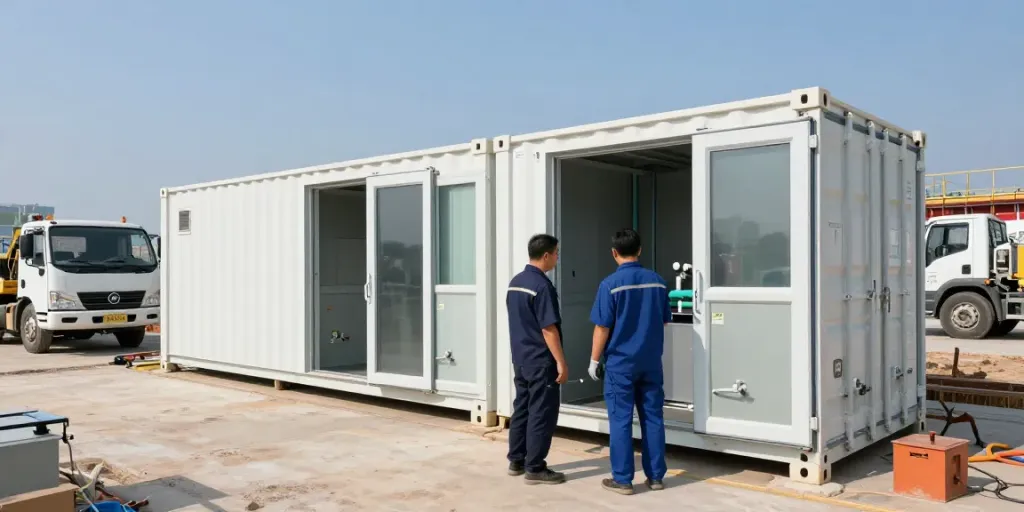
In an era marked by increasing environmental regulations and the need for sustainable solutions, containerized wastewater treatment systems emerge as pivotal players in the water management industry. These systems offer a robust answer to various wastewater challenges, providing effective treatment from domestic sewage to complex industrial effluent. As a leading option among Wastewater Treatment System Manufacturers, containerized systems deliver adaptable, pre-engineered solutions that ensure compliance with environmental standards, all encapsulated within a compact and transportable structure.
What Are Wastewater Treatment System Manufacturers?
Wastewater treatment system manufacturers are specialized companies that design, develop, and deploy systems to treat wastewater, ensuring its safe return to the environment or reuse. These manufacturers provide a range of solutions tailored for different applications, including residential, commercial, and industrial settings. The advancements in technology and increasing regulatory pressures mean that manufacturers are continually innovating to offer more efficient and effective systems. Among these innovations are containerized solutions that streamline the treatment process while minimizing operational costs.
Benefits of Containerized Solutions
Containerized wastewater treatment systems are gaining popularity due to their significant advantages:
- Rapid Deployment: Built within standard shipping containers, these systems can be transported easily and installed in a matter of days.
- Operational Flexibility: They can be deployed in various locations, making them ideal for temporary projects or areas lacking infrastructure.
- Cost-Effective: Their modular nature reduces both initial capital investments and ongoing operational costs.
- Compliance Assurance: Designed to meet local and national environmental regulations, these systems help businesses avoid legal complications.
- Space Efficiency: Their compact size means they require less land and can fit into urban or restricted sites.
Key Components of Treatment Systems
A typical containerized wastewater treatment system comprises several essential components that work in harmony to treat wastewater effectively:
- Preliminary Treatment: This stage involves screening and grit removal to eliminate large particles and debris.
- Biological Treatment: Utilizing aerobic or anaerobic processes, this phase breaks down organic matter using microorganisms.
- Secondary Treatment: This further refines the effluent, often using filtration or additional biological processes to ensure high-quality output.
- Tertiary Treatment: In some systems, this optional step includes advanced filtration or disinfection methods, such as UV treatment, to remove any remaining contaminants.
- Control Systems: Automated systems for monitoring and managing operations, ensuring efficiency and compliance in real time.
Choosing the Right Manufacturer for Your Needs
The selection of a wastewater treatment system manufacturer plays a vital role in the effectiveness of the treatment operation. Various factors should be considered to ensure the right fit for your specific requirements.
Factors to Consider When Selecting Manufacturers
When evaluating potential manufacturers, consider the following:
- Experience and Reputation: Research the company’s history and client reviews to gauge their reliability and expertise.
- Customizability: Look for manufacturers that offer tailored solutions based on specific operational needs and local regulations.
- Technical Support: Investigate the level of support provided post-installation, including maintenance services and troubleshooting assistance.
- Compliance: Ensure that the manufacturer’s systems adhere to applicable environmental regulations, both locally and nationally.
Comparing Leading Wastewater Treatment System Manufacturers
To make an informed decision, compare leading manufacturers based on product offerings, technological advancements, and customer service. Companies like Veolia, SUEZ, and Xylem are recognized for their extensive product lines and innovative approaches. However, smaller manufacturers may provide specialized services and more personalized support, which can be crucial for specific projects.
Understanding Manufacturer Certifications and Standards
Certifications and adherence to industry standards are critical indicators of a manufacturer’s quality and reliability. Look for certifications such as ISO 9001 or local environmental standards that demonstrate a commitment to quality management and environmental stewardship. Understanding these credentials can provide assurance that the manufacturer meets or exceeds necessary regulatory requirements.
Effective Implementation of Containerized Systems
Implementing containerized wastewater treatment systems involves several key steps to ensure optimal performance and compliance.
Installation Process Overview
The installation of containerized systems is relatively straightforward:
- Site Assessment: Evaluate the intended installation site to determine suitability, considering factors like land space, accessibility, and environmental impact.
- Transport and Setup: Utilize flatbed trucks and cranes for delivery, typically within one to two days.
- Connection and Testing: Connect the system to utilities (water, electricity) and perform functionality tests before commissioning.
Common Challenges and Solutions
While containerized systems are designed for efficiency, challenges can still arise:
- Site Limitations: Space constraints may affect accessibility; pre-planning can mitigate this issue.
- Regulatory Compliance: Ensure that all local requirements are understood and integrated into the installation process.
- Training: Personnel training is crucial; manufacturers should provide comprehensive guidance on system operations and maintenance.
Case Studies: Successful Deployments
Numerous case studies highlight the success of containerized wastewater treatment systems. For instance, a modular plant deployed in a remote village effectively managed sewage while adhering to regulatory standards, showcasing the adaptability of containerized solutions for various geographic realities.
Maintenance and Operational Efficiency
To ensure longevity and efficiency, regular maintenance and operational strategies are essential.
Best Practices for System Maintenance
Maintenance practices for containerized systems typically include:
- Routine Inspections: Regular checks on critical components (pumps, filters) can prevent unplanned downtimes.
- Cleaning Regimens: Implement cleaning schedules for tanks and treatment areas to ensure optimal performance.
- Documentation: Keep thorough records of maintenance activities to track performance and comply with regulations.
Monitoring Performance and Efficiency Metrics
Effective monitoring of wastewater treatment systems involves tracking key performance indicators (KPIs) such as:
- Influent and Effluent Quality: Measure parameters including BOD, COD, and SS to ensure treatment efficacy.
- Operational Costs: Continually assess operational expenses to identify areas for improvement and efficiency gains.
Innovations in Maintenance Solutions for Wastewater Systems
Recent innovations have introduced predictive maintenance using IoT technology, allowing for real-time monitoring and alerts before potential failures occur. Such advances enhance operational efficiency and reduce unexpected downtime.
Future Trends in Wastewater Treatment
As the sector evolves, several trends are shaping the future landscape of wastewater treatment.
Emerging Technologies and Innovations for 2026
Technological advancements, such as artificial intelligence and machine learning, are being increasingly integrated into wastewater management systems. These technologies allow for more precise monitoring, data analysis, and predictive maintenance, ultimately leading to better treatment outcomes and resource management.
The Role of Sustainability in Wastewater Systems
There is a growing emphasis on sustainability in wastewater treatment solutions. Manufacturers are focusing on energy-efficient designs and methods of resource recovery, such as biogas generation and nutrient recycling, which contribute to overall environmental goals.
Predictions for the Wastewater Treatment Industry
Looking ahead, the wastewater treatment industry is expected to see enhanced regulatory frameworks pushing for stricter compliance, paving the way for innovative technologies and sustainable practices. The integration of smart technologies will likely become standard, allowing for better management of resources and improved treatment efficiency.
What are the advantages of containerized systems?
Containerized systems offer rapid deployment, flexibility in relocation, and compliance with regulatory standards, making them an ideal choice for various wastewater treatment scenarios.
How do containerized wastewater systems comply with regulations?
These systems are designed with built-in features that meet or exceed local and national environmental regulations, ensuring that treated water is safe for discharge or reuse.
What maintenance is required for these systems?
Regular maintenance includes inspections, cleaning, and monitoring to ensure the system operates efficiently and complies with treatment standards.
Are there custom solutions available from manufacturers?
Many manufacturers offer tailored solutions to meet specific operational needs, taking into account unique environmental and regulatory requirements.
What trends are shaping the future of wastewater treatment?
Key trends include the adoption of smart technologies, a focus on sustainability, and enhanced regulatory compliance, all aiming to improve efficiency and reduce the environmental footprint of wastewater treatment practices.