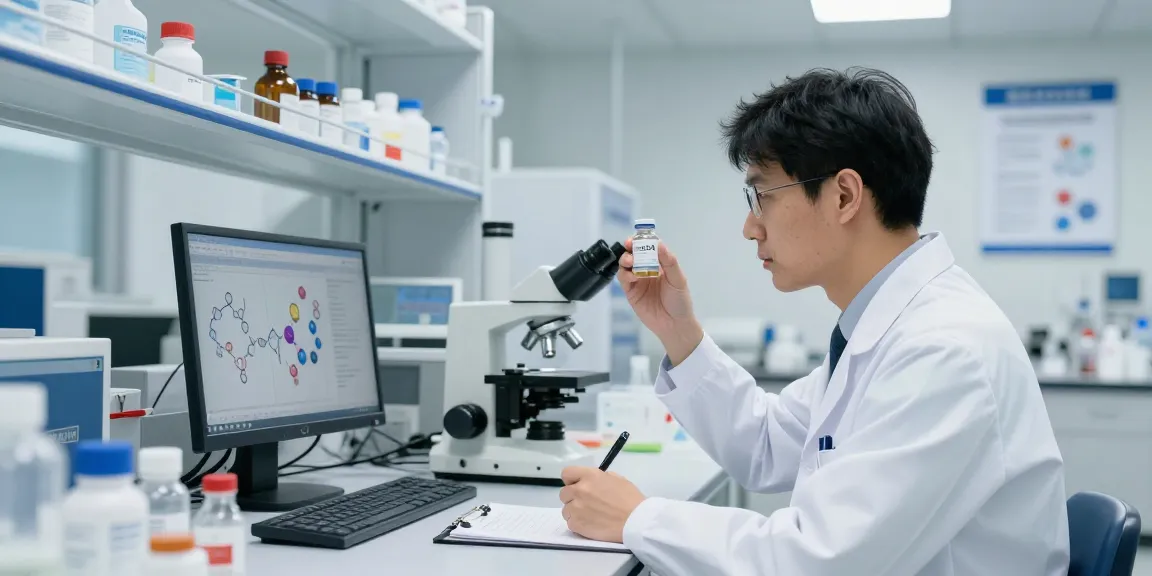
Understanding astaxanthin: What is it?
Astaxanthin is a powerful carotenoid and antioxidant found primarily in marine organisms such as salmon, trout, shrimp, and certain algae. It is responsible for the pink or red color of these creatures and is recognized for its potential health benefits, including those related to cognitive function. Recent studies suggest a promising relationship between astaxanthin and brain health, reshaping our understanding of how certain nutrients can influence cognitive performance and mental wellness. To learn more about astaxanthin benefits for brain, let’s first delve into its origin and properties.
The origin of astaxanthin
Astaxanthin is primarily sourced from microalgae like Haematococcus pluvialis, which accumulates the compound in large amounts during its life cycle. When consumed by marine animals, particularly fish and shellfish, it provides them with vibrant coloring and offers protection from environmental stressors. Since the introduction of algae as a supplement source, nutraceuticals have gained significant traction, allowing consumers to harness the benefits of this antioxidant without consuming fish directly.
Key properties and nutrients in astaxanthin
Astaxanthin exhibits several beneficial properties, most notably its strength as an antioxidant—reportedly up to 6000 times more potent than vitamin C. This makes it particularly effective in combating oxidative stress and inflammation, which are crucial factors in maintaining cognitive health. Additionally, its unique chemical structure enables it to cross blood-brain barriers, making its effects more profound on brain cells.
How astaxanthin is absorbed in the body
The absorption of astaxanthin in the human body is enhanced when consumed with fats, owing to its fat-soluble nature. Once ingested, it travels through the lymphatic system and enters the bloodstream. This process allows it to reach various tissues, including the brain, where it can exert its neuroprotective effects. Studies imply that the bioavailability of astaxanthin significantly contributes to its efficacy in improving cognitive functions.
The science of astaxanthin benefits for brain
Recent scientific investigations into the astaxanthin benefits for brain emphasize its multifaceted role in cognitive health. From reducing oxidative stress to supporting neuroprotection, astaxanthin demonstrates various mechanisms through which it can enhance brain function.
Antioxidant properties enhancing cognitive health
Astaxanthin’s antioxidant properties play a pivotal role in preserving cognitive health. By scavenging free radicals, it mitigates oxidative damage that can lead to neurodegenerative diseases such as Alzheimer's and Parkinson's. The ability of astaxanthin to maintain cellular integrity and function is vital, especially as we age. Research has shown that individuals supplementary to astaxanthin may experience less cognitive decline over time.
Astaxanthin's role in neuroprotection
This carotenoid is noted for its ability to cross the blood-brain barrier, a crucial factor in delivering neuroprotective benefits directly to brain cells. Studies have indicated that astaxanthin can reduce neuronal cell death, enhance neurogenesis, and modulate neuroinflammation, all of which are essential in preventing cognitive impairment and promoting overall brain health.
Impact on memory and mental clarity
Research also suggests astaxanthin’s positive effects on memory retention and mental clarity. A study published in scientific journals indicated that participants displayed improved memory functions and cognitive performance after taking astaxanthin supplements over a period. Enhanced synaptic plasticity also contributes to improved learning and ability to process information, showcasing its potential role in educational and professional settings where sharp cognitive abilities are crucial.
Potential health benefits of astaxanthin
Beyond its cognitive advantages, astaxanthin presents several other potential health benefits, positioning it as a super nutrient in the realm of wellness and preventive healthcare.
Reducing oxidative stress in the brain
Oxidative stress has been linked to numerous cognitive disorders. Astaxanthin’s capability to reduce this stress can greatly benefit individuals at risk of neurodegenerative diseases. By stabilizing cell membranes and preventing oxidation, it helps maintain cognitive resilience and overall brain function, which may be particularly beneficial for elderly populations.
Enhancing mood and mental wellbeing
Emerging studies suggest that astaxanthin may also play a role in improving mood and mental wellbeing. Some studies indicate a connection between astaxanthin supplementation and increased serotonin levels in the brain—a neurotransmitter often associated with mood regulation. Improved mood can significantly affect cognitive performance and daily functioning, making astaxanthin an appealing option for those seeking holistic mental health support.
Supporting long-term cognitive function
Long-term cognitive function is essential for leading a fruitful life, particularly as individuals age. Regular intake of astaxanthin may support brain longevity and cognitive health through its antioxidant capacity and neuroprotective effects. Several clinical trials highlight its beneficial effects on older adults, indicating that astaxanthin supplementation could help slow down age-related cognitive decline.

How to incorporate astaxanthin into your diet
For individuals looking to reap the benefits of astaxanthin, incorporating it into their everyday diet is essential. There are several effective methods to ensure adequate astaxanthin intake.
Food sources rich in astaxanthin
Natural sources of astaxanthin include wild-caught salmon, shrimp, krill, and algae. Including these foods in your diet can help you tap into the natural benefits of this nutrient. Algae-derived supplements are also an excellent option for vegetarians or those who prefer plant-based sources of astaxanthin.
Choosing the right astaxanthin supplements
When considering supplementation, it is vital to choose high-quality astaxanthin products sourced from reputable suppliers. The potency and safety of supplements can vary; therefore, selecting products that have been third-party tested can ensure that you're receiving a reliable dose of astaxanthin.
Dosing guidelines and recommendations
The recommended dosage for astaxanthin ranges from 4 to 12 mg daily, although specific needs may vary based on individual health status and dietary habits. Consulting with a healthcare professional before beginning supplementation can help determine the best dosage for your situation.
Real-world applications: User testimonials and research
The practical application of astaxanthin in cognitive health has led to numerous user testimonials and scientific research, further validating its potential benefits.
Case studies on cognitive improvement
Case studies have shown individuals experiencing enhanced focus, improved memory recall, and overall cognitive clarity after consistent use of astaxanthin supplements. These personal accounts complement clinical findings, suggesting astaxanthin's effectiveness in various cognitive domains.
Insights from scientific research
Scientific literature supports the positive effects of astaxanthin on cognitive function. Studies have observed notable enhancements in cognitive assessments among participants supplemented with astaxanthin compared to control groups, indicating its potential as a therapeutic agent for cognitive decline.
Expert opinions on astaxanthin
Health professionals and researchers unanimously recognize astaxanthin for its beneficial neuroprotective properties. Many experts advocate for its integration into dietary practices, especially for individuals at risk of cognitive impairments. Their collective insights add a level of credibility to the claims associated with astaxanthin.
Frequently Asked Questions
1. What is astaxanthin, and how is it beneficial for brain health?
Astaxanthin is a carotenoid found in marine life known for its antioxidant properties. It reduces oxidative stress, supports neuroprotection, and enhances cognitive functions.
2. Can I get enough astaxanthin from my diet?
Yes, astaxanthin can be found in foods like salmon, krill, and certain algae. However, supplementation may be necessary for higher doses.
3. Are there any side effects of astaxanthin?
Astaxanthin is generally considered safe; however, some individuals may experience mild digestive upset or changes in skin color at high doses.
4. How long does it take to experience the benefits of astaxanthin?
Effects can vary, but many users report improvements in cognitive functions and mood within a few weeks of consistent supplementation.
5. Is astaxanthin suitable for everyone?
While generally safe, individuals with specific health conditions or those who are pregnant should consult a healthcare professional before use.