Understanding Bed Bug Infestations
What Are Bed Bugs?
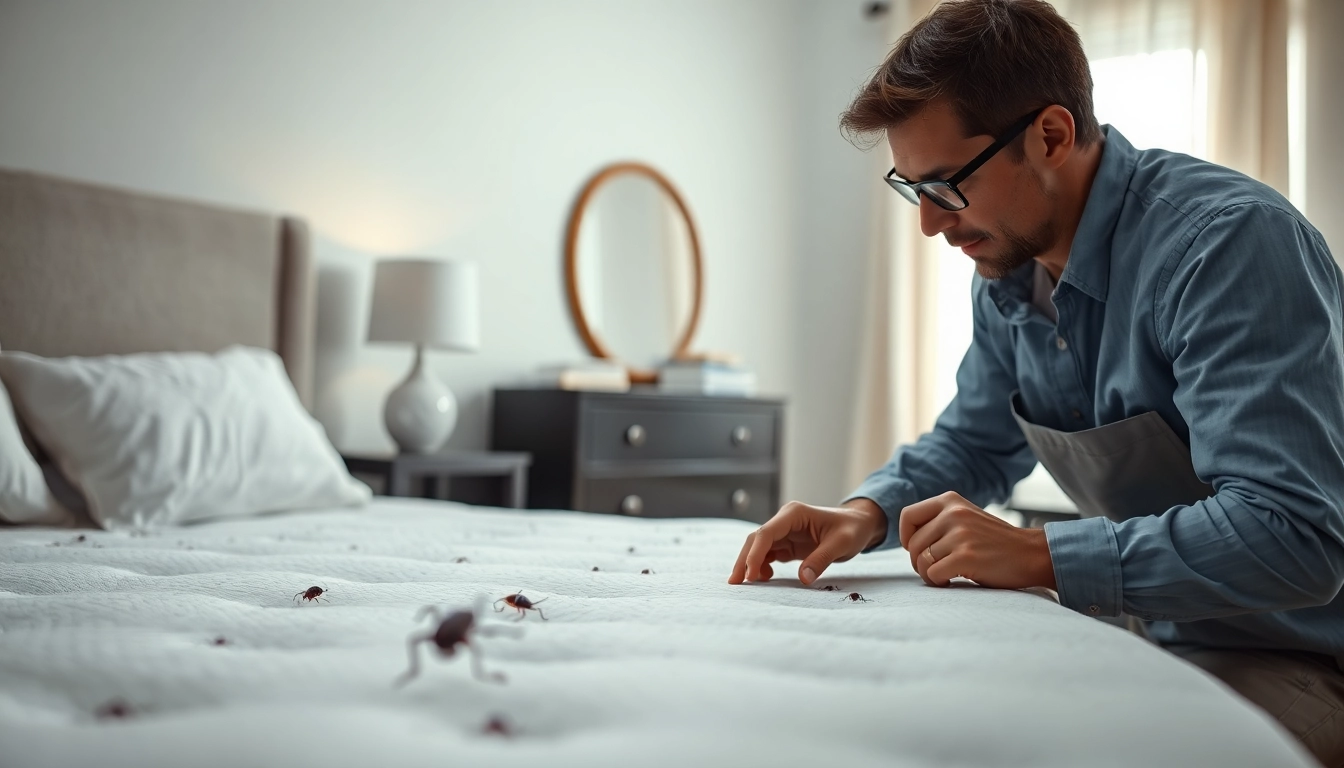
Bed bugs (Cimex lectularius) are parasitic insects that primarily feed on the blood of humans and other warm-blooded hosts. These small, flat, and reddish-brown creatures typically measure between 4 to 5 millimeters in length, resembling apple seeds. Bed bugs are nocturnal and often hide in the seams and crevices of mattresses, furniture, and even within cracks in walls. Their stealthy nature allows them to remain undetected until a significant infestation occurs.
Signs of an Infestation
Identifying a bed bug infestation early on is crucial. Here are some key signs to look for:
- Bite Marks: Red, itchy welts on the skin may indicate bed bug bites, typically appearing in clusters.
- Blood Stains: Small dark or rusty spots on sheets or bedding from crushed bugs or blood from bites.
- Dark Fecal Spots: Bed bug droppings look like small ink spots or dark smears and can be found on bedding or furniture.
- Exoskeletons: As bed bugs grow, they shed their skins, which can sometimes be found near their hiding spots.
- Musty Odor: A distinctive, sweet, and musty smell can suggest a severe infestation.
Common Myths about Bed Bugs
There are many misconceptions surrounding bed bugs that can lead to ineffective responses. Here are a few common myths:
- Myth 1: Bed bugs are only found in dirty homes. Fact: Bed bugs can thrive in any environment, regardless of cleanliness.
- Myth 2: They can fly. Fact: Bed bugs are wingless and move by crawling.
- Myth 3: Heat treatment kills bed bugs instantly. Fact: Effective heat treatment requires specific temperatures maintained for a duration of time.
- Myth 4: Bed bugs spread diseases. Fact: While they don't transmit diseases, their bites can cause discomfort and lead to secondary infections.
Why Hire a Bed Bug Exterminator?
The Expertise of a Professional
Hiring a bed bug exterminator provides access to specialized knowledge and techniques that the average homeowner may not possess. Exterminators undergo rigorous training to understand bed bug behavior, recognize signs of infestations, and employ effective treatment methods. They can also assist in identifying potential hiding spots that homeowners may overlook, ensuring a thorough examination and eradication of bed bugs.
Health Risks Associated with Bed Bugs
While bed bugs are not known to transmit diseases, their presence can lead to significant health issues. Some of the potential health risks include:
- Allergic Reactions: Repeated bites may lead to severe allergic reactions in some individuals.
- Secondary Infections: Scratching bed bug bites can create open wounds, increasing the risk of skin infections.
- Mental Health Impacts: The stress and anxiety stemming from a bed bug infestation can lead to insomnia and other psychological issues.
Cost-Effective Strategies for Extermination
Hiring a professional may seem costly initially, but the long-term savings often outweigh the expense. DIY methods can lead to incomplete eradication, resulting in repeated infestations. Professionals offer comprehensive solutions, often a single treatment can resolve the issue, preventing future costs associated with re-infestations.
Choosing the Right Bed Bug Exterminator
Key Factors to Consider
Choosing an effective bed bug exterminator can be daunting, but focusing on these critical factors can ease the process:
- Experience and Certification: Ensure the exterminator has the appropriate credentials and experience in dealing specifically with bed bugs.
- Methods Employed: Inquire about the methods they use, whether they employ eco-friendly solutions or traditional chemicals.
- Follow-Up Services: A good exterminator will provide monitoring and follow-up treatments to ensure the issue is completely resolved.
- Guarantees: Look for a service that offers guarantees on their work, ensuring their methods will be effective.
Questions to Ask Your Exterminator
To ensure you choose the right exterminator, here are some vital questions to consider:
- What is your experience with bed bug infestations?
- What treatment methods will you use, and why?
- How long will the treatment process take, and will I need to leave my home?
- What preparations should I make before treatment?
- Do you provide a written estimate and guarantee?
Reading Reviews and Testimonials
Crowdsourced information can be invaluable when selecting a bed bug exterminator. Websites like Yelp or Google Reviews allow potential clients to read about the experiences of others, providing insights into the effectiveness and reliability of different exterminators. Prioritize companies with numerous positive reviews and take note of any recurring themes in feedback.
Effective Bed Bug Extermination Methods
Heat Treatment vs. Chemical Approaches
Understanding the two primary methods of extermination is essential for choosing the best option:
- Heat Treatment: Involves raising the temperature in a room above 120°F (49°C), effectively killing bugs at all life stages. Its benefits include no chemical residue and quick results.
- Chemical Approaches: Use insecticides registered specifically for bed bugs. Although often effective, chemicals require careful application, and some bugs may develop resistance over time.
Integrating Preventative Measures
Post-extermination, it’s crucial to integrate preventative measures to avoid a return. Consider these strategies:
- Regular Inspections: Conduct regular checks in common bed bug hotspots, like bedrooms, to catch any early signs of resurgence.
- Encasements: Use mattress and box spring encasements designed to trap bed bugs and prevent them from feeding.
- Decluttering: Maintain a clutter-free environment to reduce opportunities for bed bugs to hide.
- Travel Precautions: Check for bed bugs when traveling and clean luggage before returning home to prevent a home invasion.
Monitoring and Follow-Up Procedures
After the initial treatment, continuous monitoring is essential. Exterminators may provide follow-up visits or suggest DIY options for monitoring bed bug activity. Keeping a vigilant eye on suspected areas can save homeowners from future headaches.
FAQs about Bed Bug Extermination
How long does bed bug extermination take?
Typically, bed bug extermination can take between a few hours to a couple of days, depending on infestation severity and chosen methods.
Is bed bug treatment safe for pets?
Most professional treatments are safe for pets if handled according to guidelines, but it's advisable to consult with your exterminator beforehand.
What should I do after treatment?
After treatment, refrain from cleaning or vacuuming the treated areas for a few days and carefully follow your exterminator’s instructions for optimal results.
Can I prevent bed bugs from returning?
Yes! Regular inspections, a clean environment, and sealing cracks can significantly help prevent future bed bug infestations.
Are DIY treatments effective?
While some DIY methods may reduce the population, professional extermination typically provides a more comprehensive and effective resolution.