Understanding the Lip Blending Brush
What is a lip blending brush?
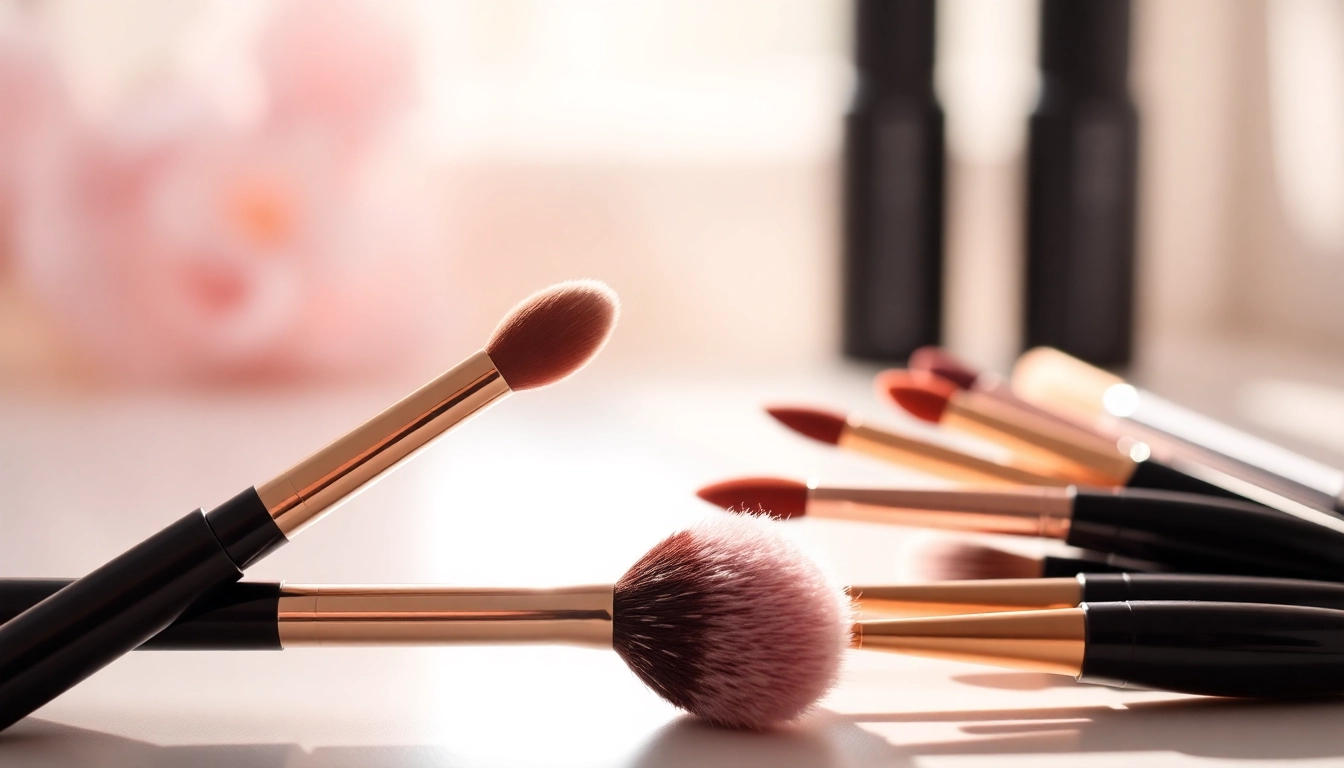
A lip blending brush is a specialized makeup tool designed to enhance the application and blending of lip products. It typically has soft, fluffy bristles that allow for smooth and even application, making it ideal for creating beautifully blended lip looks. Unlike traditional lip brushes meant primarily for applying lipstick, a lip blending brush emphasizes the blending aspect, helping you achieve those flawless finishes, gradients, or ombre effects. The versatility of this brush allows it to work well not only for lipsticks but also for lip glosses and stains, making it a staple in any makeup enthusiast's toolkit.
Benefits of using a lip blending brush
Using a lip blending brush provides various benefits that greatly enhance your makeup application experience. Firstly, it allows for precise control over product placement, especially in the corners and edges of the lips. The soft bristles help create a seamless look by blending colors together, minimizing harsh lines that can occur with direct application from a lipstick bullet or wand.
Moreover, blending brushes can help build intensity gradually. Applying lip color in thin layers can create a more natural appearance and prevent the product from looking cakey. This gradual build-up is especially beneficial when working with bold shades, where precision and subtlety are key. By using a lip blending brush, you also reduce the risk of overapplying, which can hinder the overall aesthetic.
How to choose the right lip blending brush
Choosing the right lip blending brush involves considering several factors. First, brush size matters; a smaller brush can offer more precision, while a larger one can help cover more surface area quickly. The shape of the brush is also important; tapered brushes excel at fine details, while flat brushes can be better for broader applications.
Another aspect to consider is bristle material. Natural fibers, such as squirrel or goat hair, provide softness that blends seamlessly, whereas synthetic fibers offer durability and ease of cleaning. Lastly, the handle's length and grip can affect precision and control, so it's vital to find a brush that feels comfortable in your hand.
Techniques for Using a Lip Blending Brush
Basic application tips
For basic lip application with a blending brush, start by picking up a small amount of product on the bristles. Begin at the center of the lips and work outward. This technique helps ensure that the most product is concentrated where it's most visible while allowing the edges to blend seamlessly into the skin. Dab lightly to avoid overloading the brush.
It's essential to use a light hand and gradually add more product as needed. This approach minimizes the chances of ending up with a heavy lipstick application that can quickly become unflattering.
Advanced blending techniques
Once you’ve mastered the basics, you can explore advanced techniques for creating gradient lip looks. Start by applying a darker shade in the center of the lips, then use your lip blending brush to blend outward with a lighter shade, creating a soft ombre effect. This technique is particularly effective for adding dimension and fullness to the lips.
Another advanced technique involves using lip liner for precise edges before blending with a lipstick or gloss. Outline your lips with a pencil and then fill in with lipstick using the blending brush, blending the liner and lipstick to merge colors smoothly.
Creating ombre and gradient looks
Creating an ombre look can transform a standard lip application into something striking. To achieve this, begin with a darker lip color and use the lip blending brush to feather it out toward the edges of the lips. Then, apply a lighter color directly to the center. Blend the two colors carefully to avoid any harsh lines, creating a soft gradient effect.
This technique works beautifully with bold colors, allowing you to play with contrasts while maintaining a polished finish. Experimenting with varying shades can yield unique effects, making your lip color truly stand out.
Caring for Your Lip Blending Brush
Cleaning your lip blending brush
Proper maintenance is crucial for keeping your lip blending brush in optimum condition and ensuring it lasts a long time. Cleaning your brush regularly helps remove buildup from lip products that could harbor bacteria and cause skin irritation. Use a gentle brush cleaner or mild soap and lukewarm water to clean the bristles.
First, dampen the bristles under the running water, then apply the cleaner and gently swirl the brush in your palm or on a cleaning glove. Rinse until the water runs clear, reshaping the bristles and laying it flat to dry. Make this a routine part of your makeup regimen for optimal hygiene and performance.
Storing your brushes to retain quality
How you store your lip blending brush can have a significant impact on its longevity. Avoid tossing it into a bag with other makeup items as the bristles may become bent or damaged. Instead, consider using a brush holder or wrapping it in a protective case. This helps maintain the shape and integrity of the bristles, ensuring optimal performance every time you reach for it.
Signs it’s time to replace your brush
Even with proper care, every brush eventually reaches the end of its usefulness. Signs that it's time to replace your lip blending brush include frayed bristles that no longer provide a smooth application, if the brush fails to clean thoroughly, or if you notice your skin reacting negatively during use. Regularly assess the condition of your tools to maintain the highest makeup standards.
Common Mistakes to Avoid
Using too much product
One of the most common mistakes when using a lip blending brush is overloading it with product. Too much lipstick or gloss can lead to a cakey appearance and make blending challenging. Always start with a small amount of product and build it up gradually for a more flattering finish.
Neglecting brush hygiene
Failing to clean your lip blending brush regularly can lead to skin issues and poor product performance. Bacteria can thrive on brushes that aren't cleaned adequately, potentially causing breakouts. Make it a habit to clean your brushes to ensure they stay hygienic and work effectively.
Over-blending
While blending is key to achieving seamless lip looks, over-blending can ruin the effect. Excessive mixing can strip the colors of their vibrancy and blur the desired shape of the lips. Be mindful of the amount of blending you do to maintain a defined and sharp lip appearance.
Matching Lip Blending Brushes to Your Lip Products
Choosing brushes for lipsticks vs. glosses
Not all lip products are created equal, and your choice of lip blending brush should reflect that. For thicker lipsticks, opt for brushes with firmer bristles that can handle heavier textures. Conversely, when working with glosses, select a softer brush that can distribute the lighter product evenly without clumping.
Finding the right tool for lip liners
When using lip liners, choose a brush that can define the lip shape well. A small, stiff brush can work wonders for blending liner into your lipstick, ensuring the edges look precise yet naturally blended. Look for brushes with tapered tips for the best results.
Using multiple brushes for varied effects
Employing different brushes for specific tasks can elevate your lip game. Utilizing a smaller brush for precise applications and a larger one for blending can give you more control over the final look. Multiple brushes also allow you to experiment with different colors and finishes, ensuring versatility in your makeup routine.
FAQs
What is a lip blending brush used for?
A lip blending brush is used for applying and blending lip products like lipstick and gloss, helping to create a seamless and polished look.
Can I use a lip blending brush for other areas?
While it is primarily designed for lips, you can use a lip blending brush for blending cream blush or eyeshadow in small areas, depending on its size and shape.
How often should I clean my lip blending brush?
It's advisable to clean your lip blending brush after every use or at least once a week to ensure it remains hygienic and effective.
What type of makeup works best with a lip blending brush?
A lip blending brush works best with lipsticks, glosses, and stains, allowing for precise application and seamless blending.
Can a lip blending brush be used for contouring lips?
Yes, a lip blending brush can be used for contouring lips by applying darker shades around the edges and lighter shades in the center for a fuller appearance.