Understanding the Basics of Crowdfunded Community Gardens
Defining Crowdfunding in Gardening
Crowdfunding in gardening refers to the collective pooling of financial resources from numerous individuals to support the establishment and maintenance of a community garden. This model allows community members to invest in a shared space that provides not only food but also a venue for social interaction, education, and environmental awareness. Platforms such as GoFundMe, Kickstarter, and Indiegogo have made it easier for grassroots initiatives to gain the funding needed for such projects.
Key Benefits of Community Gardens
- Food Security: Community gardens enhance local food production, making fresh fruits and vegetables accessible to underserved populations.
- Community Cohesion: These gardens foster social ties among residents, promoting a sense of belonging and community spirit.
- Environmental Benefits: They contribute to urban greening, improve air quality, and provide habitats for various species.
- Educational Opportunities: Community gardens serve as practical learning environments, educating participants about sustainable agriculture and nutrition.
Challenges in Crowdfunded Initiatives
While crowdfunding offers numerous advantages, it also presents challenges. One of the primary hurdles is the need to maintain consistent engagement from donors and participants. Often, projects face difficulties in retaining interest over time. Additionally, mismanagement of funds or unrealistic project goals can lead to failure. Lastly, legal aspects, such as obtaining land-use permits and adhering to local regulations, can complicate matters.
Building a Strong Community Foundation
Identifying and Engaging Stakeholders
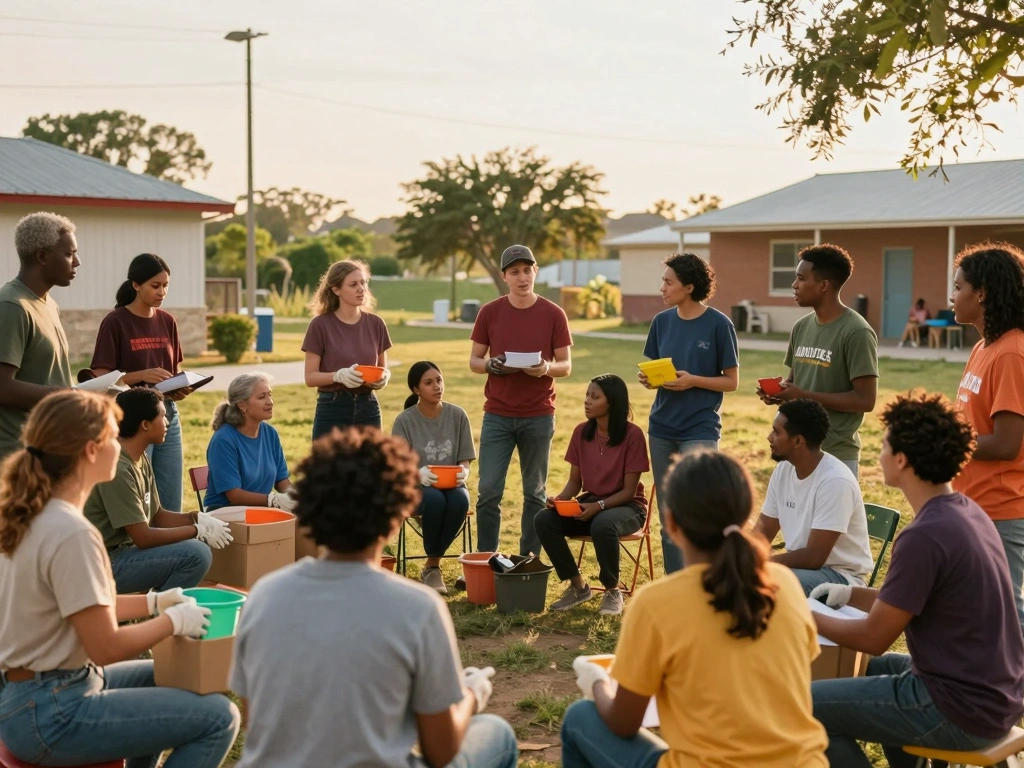
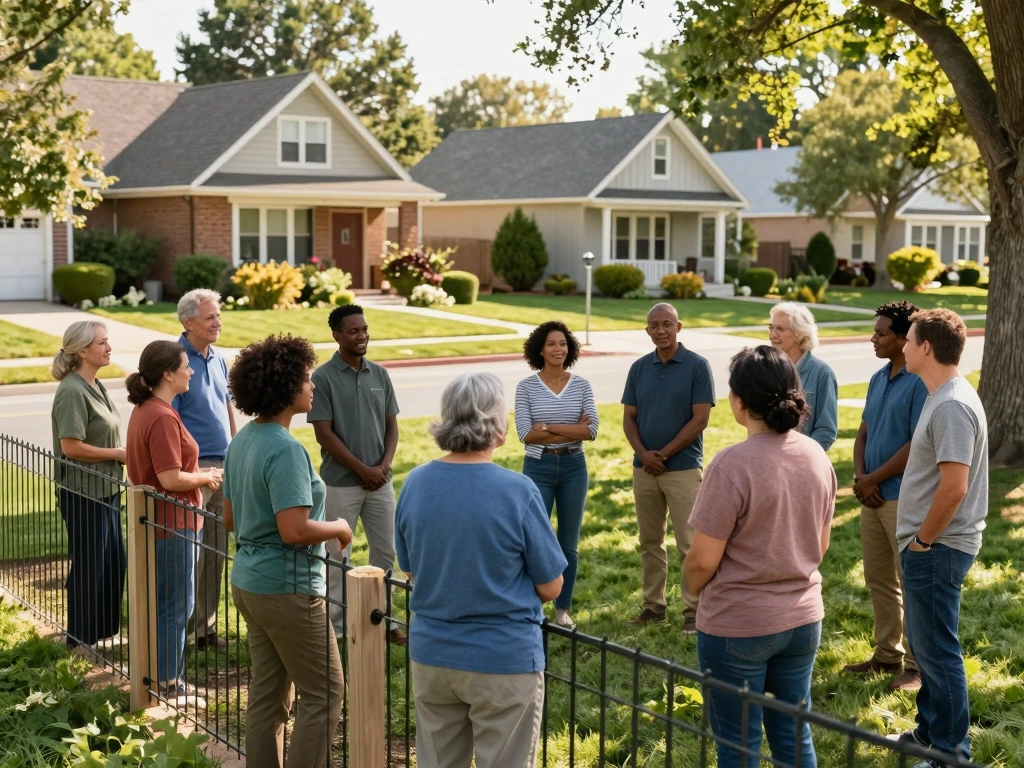
The success of a crowdfunded community garden largely depends on the active participation of various stakeholders, including local residents, non-profit organizations, local government, and businesses. Start by identifying individuals or groups that have a vested interest in the project's success. Conduct surveys or community meetings to gather input and build a diverse coalition of supporters. For example, in 2021, the East Side Community Garden in San Antonio, Texas, successfully engaged over 200 local residents and stakeholders through community workshops, which significantly increased their funding and volunteer base.
Creating a Sense of Ownership Among Participants
To foster long-term commitment, it is crucial to instill a sense of ownership among garden participants. This can be achieved by allowing community members to vote on garden designs, crop selections, and maintenance duties. Implementing a membership system where individuals can pay a nominal fee to join and participate actively can also help in creating this sense of ownership. Projects like the Denver Urban Gardens have shown that when people feel invested, they are more likely to contribute time and resources to the garden.
Establishing Communication Channels
Effective communication is vital for the sustainability of a community garden. Establish multiple channels to keep stakeholders informed and engaged. Utilize social media platforms, newsletters, and community bulletin boards to share updates, events, and volunteer opportunities. Regular meetings, both online and offline, can help maintain transparency and encourage feedback. For example, the Brooklyn Grange in New York City effectively uses social media to keep their community informed and engaged, resulting in a loyal following and consistent volunteer turnout.
Effective Fundraising Strategies for Community Gardens
Utilizing Online Crowdfunding Platforms
Online crowdfunding platforms are an essential tool for raising funds for community gardens. Creating a compelling campaign that tells the story of your garden can attract potential backers. Highlight the community benefits, the project's goals, and how funds will be utilized. For instance, the "Grow a Garden" campaign on Kickstarter raised over $15,000 in just 30 days by showcasing the garden's community impact and providing attractive reward tiers for backers, such as produce baskets and garden tours.
Organizing Fundraising Events and Workshops
Hosting events is another effective way to raise funds while fostering community engagement. Consider organizing workshops on gardening techniques, sustainability, or cooking with garden produce. Charge a small fee for attendance, which can contribute to the garden's operating costs. Additionally, community events like plant sales, potlucks, or garden tours not only raise funds but also strengthen community bonds. The "Garden Party" event organized by the Los Angeles Community Garden Council raised over $8,000 through ticket sales and donations, demonstrating the power of community-driven initiatives.
Leveraging Local Business Sponsorships
Local businesses can be valuable partners in funding community gardens. Approach businesses that align with the garden's mission, such as organic food stores or gardening centers, and propose sponsorship opportunities. In return for their support, offer to promote their business through signage at the garden, social media shout-outs, or inclusion in newsletters. For example, the Green Thumb Community Garden in Portland, Oregon, secured sponsorships from local nurseries, which not only provided financial support but also supplies in-kind, such as soil and seeds.
Planning and Designing the Community Garden
Choosing the Right Location and Space
Selecting the right location is critical for the success of a community garden. Look for spaces that are easily accessible, preferably near public transport and residential areas. Assess the land for sunlight, soil quality, and water access. Collaborating with local authorities can help identify underutilized land that can be transformed into a thriving garden. For example, the Mill City Grows project in Massachusetts successfully transformed vacant lots into productive community gardens, making them accessible to local residents.
Designing a Garden Layout that Encourages Participation
The layout of the community garden should promote accessibility and participation. Consider incorporating raised beds for easier access, pathways for wheelchairs, and communal spaces for gatherings and workshops. A well-thought-out design can enhance the user experience and encourage more individuals to participate actively. The Cleveland Botanical Garden, for example, features a community space that not only allows for gardening but also hosts educational programs and events, effectively fostering community involvement.
Incorporating Sustainable Practices
Integrating sustainable practices into the garden design is essential for long-term viability. Use organic gardening methods, implement rainwater harvesting systems, and encourage composting within the community. Educating participants on sustainability not only benefits the environment but also instills a sense of responsibility in the community. The Urban Agriculture Collective in Minneapolis is a prime example of a community garden that emphasizes sustainability, utilizing permaculture principles and native plantings to create a self-sustaining ecosystem.
Maintaining Engagement and Sustainability
Creating a Governance Structure for Decision-Making
A clear governance structure is vital for effective decision-making and accountability within the community garden. Form a committee made up of diverse stakeholders, including garden members, local experts, and representatives from partner organizations. This committee should oversee operations, manage funds, and facilitate community meetings. Establishing by-laws can also help in formalizing roles and responsibilities, as seen in the Santa Barbara Community Garden, which has a well-defined governance model that enhances transparency and accountability.
Implementing Regular Maintenance Routines
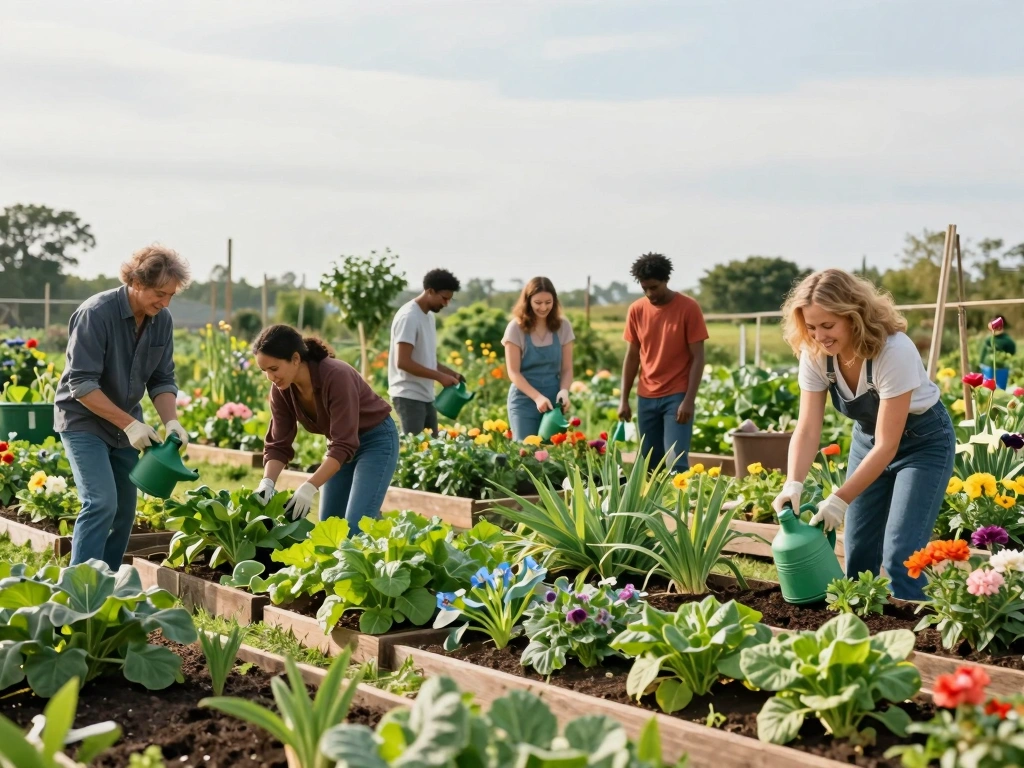
Regular maintenance is crucial for keeping the garden healthy and productive. Establish a schedule for tasks such as watering, weeding, and harvesting, and ensure that all participants are aware of their responsibilities. Assign specific days for communal workdays where members can come together to maintain the garden collectively. The Incredible Edible movement in Todmorden, UK, demonstrates the effectiveness of communal efforts, engaging local residents in regular maintenance and fostering a strong sense of community commitment.
Evaluating Success and Adapting to Community Needs
Regularly evaluate the successes and challenges faced by the community garden. Gather feedback from participants through surveys or meetings to assess what is working and what needs improvement. Be willing to adapt and make changes based on community needs and preferences. For instance, if participants express a desire for more educational workshops, consider integrating these into the garden's programming. The success of the Grow Your Own project in Australia was largely attributed to its responsiveness to community feedback, allowing it to evolve and thrive over time.