Digestive disorders in children can present in many forms, such as abdominal pain, vomiting, diarrhea, constipation, feeding difficulties, or poor weight gain. Pediatric specialists carefully evaluate these symptoms because children often cannot clearly explain what they are feeling. Early identification is important to ensure proper growth, development, and long-term health, especially when families are searching for the best pediatric gastroenterologist near me.
In advanced pediatric care environments, doctors focus on a structured and gentle approach to understanding digestive health issues. Hospitals dedicated to women’s and children’s healthcare provide multidisciplinary pediatric services that support accurate diagnosis and timely treatment.
Why Early Evaluation is Important
Children’s digestive systems are still developing, making them more sensitive to infections, dietary changes, and underlying medical conditions. When symptoms persist, pediatric specialists investigate the root cause rather than only treating surface symptoms.
Early evaluation helps prevent complications such as dehydration, nutritional deficiencies, and growth delays. Pediatric teams also work closely with parents to understand feeding patterns, dietary habits, and symptom history, which is essential for forming a clear clinical picture.
Initial Consultation and Clinical History
The diagnostic process begins with a detailed consultation. Pediatric gastroenterologists spend time understanding the child’s medical history, including:
● Frequency and duration of symptoms
● Eating habits and diet changes
● Growth patterns and weight gain
● Family history of digestive or metabolic conditions
This step is crucial because many digestive disorders in children are linked to nutrition, infections, or developmental factors. Careful history-taking helps narrow down possible causes before moving to further investigations.
Physical Examination and Child-Friendly Assessment
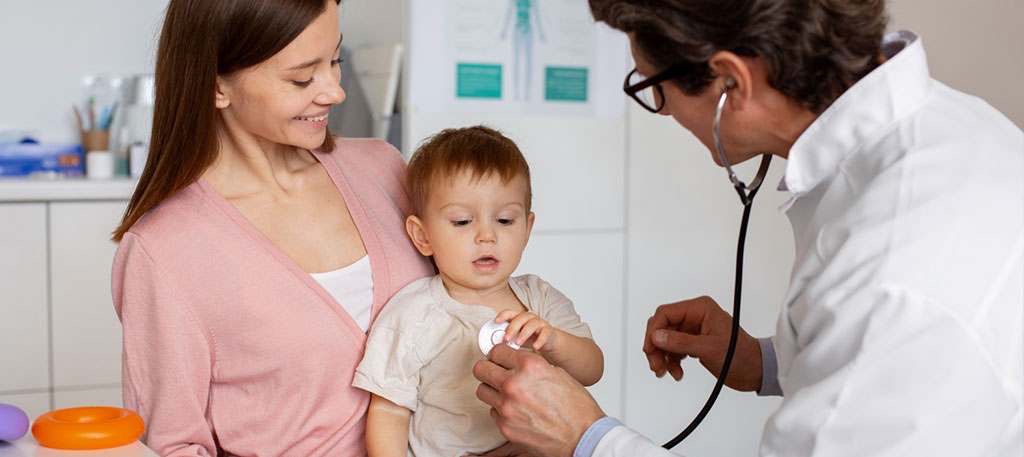
A physical examination is performed to check for tenderness, bloating, dehydration, or abnormal growth patterns. Pediatric specialists use child-friendly techniques to ensure the child remains comfortable during the examination.
In pediatric-focused hospitals, doctors are trained to create a supportive environment so children feel safe and relaxed. This approach improves cooperation and allows for more accurate clinical evaluation.
Laboratory Testing for Accurate Diagnosis
Laboratory tests are often used to detect infections, inflammation, or nutritional deficiencies. Blood tests and stool analysis help identify conditions affecting digestion and absorption.
These diagnostic tools allow pediatric specialists to understand internal imbalances that may not be visible through external symptoms. Testing is always tailored to the child’s age and condition, ensuring safety and precision in results.
Imaging and Advanced Diagnostic Support
Imaging techniques play an important role in identifying structural or functional issues in the digestive system. Ultrasound and other non-invasive imaging tools are commonly used in pediatric evaluations.
Such diagnostic methods help visualize internal organs and detect abnormalities without discomfort to the child. Pediatric care centers with advanced infrastructure ensure that these services are accessible and safe for young patients.
Multidisciplinary Pediatric Approach
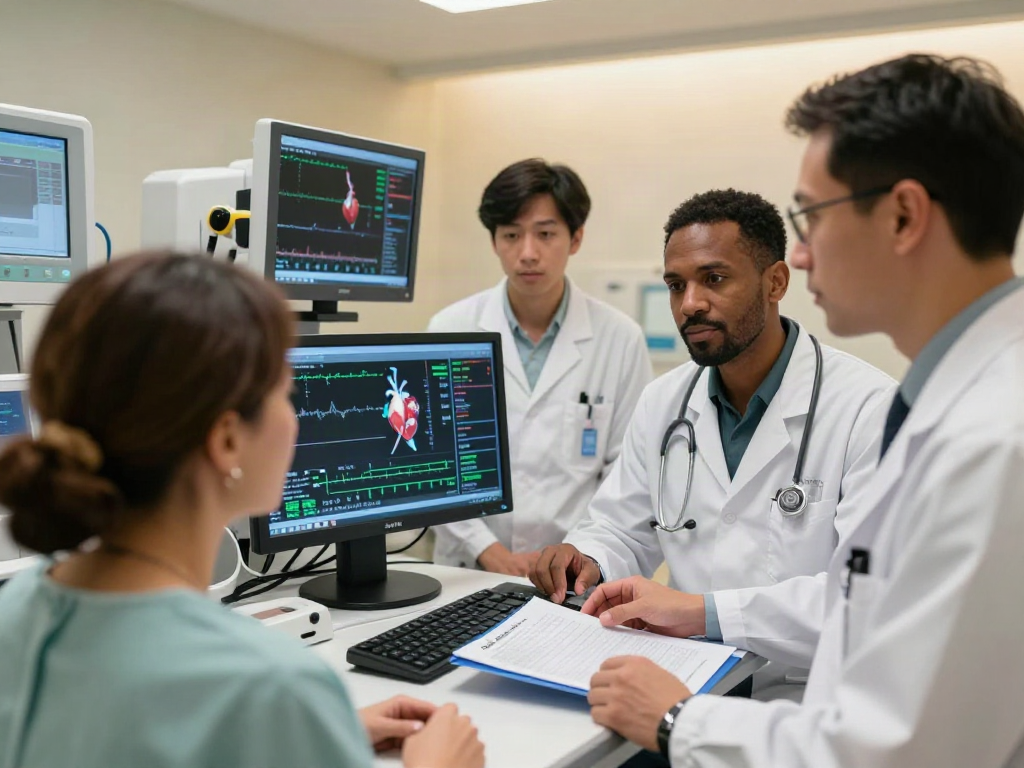
Digestive disorders in children may sometimes be linked with other health systems, including neurological development. In such cases, specialists collaborate across departments to ensure comprehensive care.
For example, conditions involving feeding difficulties or developmental delays may require input from pediatric neurology specialists to understand the broader impact on a child’s growth and coordination. This integrated approach ensures that no aspect of the child’s health is overlooked.
Treatment Planning Based on Diagnosis
Once the cause of the digestive disorder is identified, pediatric specialists develop a personalized treatment plan. Treatment may include dietary modifications, medication, hydration support, or monitoring of growth and development.
The goal is not only to treat the immediate symptoms but also to ensure long-term digestive health and proper nutrition. Parents are guided throughout the process so they can support recovery at home effectively.
Monitoring Growth and Long-Term Care
Children with digestive disorders require regular follow-up to monitor improvement and ensure healthy development. Pediatric specialists track weight, height, and overall nutritional status over time.
Continuous monitoring helps adjust treatment plans when needed and ensures that the child is progressing normally. This long-term approach is essential for preventing recurring digestive issues.
Importance of Specialized Pediatric Care
Parents often search for reliable medical guidance when their child experiences persistent digestive problems. Accessing the best pediatric gastroenterologist ensures that children receive an accurate diagnosis and specialized care tailored to their needs.
Specialized pediatric care is essential because children’s medical conditions differ significantly from those of adults. Their treatment requires careful dosage, gentle procedures, and continuous monitoring for safety and effectiveness.
Advanced Pediatric Expertise in Complex Cases
In more complex situations, pediatric gastroenterologists may work alongside other specialists to ensure holistic treatment. Children with multiple or recurring symptoms benefit from coordinated medical care involving pediatrics and related specialties.
Experienced doctors among the top Pediatric gastroenterologists focus on combining clinical expertise with advanced diagnostic tools to manage even the most challenging cases. This ensures that children receive comprehensive and effective care under one coordinated system.
Family Education and Support
A key part of pediatric care is educating parents about the child’s condition. Families are guided on proper nutrition, hygiene practices, and symptom monitoring at home.
This support system helps parents feel confident in managing their child’s health while ensuring they know when to seek further medical help. Education also plays a crucial role in preventing future digestive issues.
Conclusion
Pediatric gastroenterologists play a vital role in identifying and managing digestive disorders in children through careful evaluation, diagnostic testing, and personalized care. Early consultation and structured pediatric care help children recover faster and maintain healthy growth. With medical expertise and supportive care, digestive disorders can be effectively managed in children of all ages. If you are searching for the best pediatric gastroenterologist near me, a timely consultation ensures accurate diagnosis and better outcomes.
If you are looking for a trusted multispecialty care center, Ankura Hospitals provides comprehensive pediatric and child healthcare services supported by advanced NICU and PICU facilities, expert pediatric specialists, and modern diagnostic infrastructure. The hospital focuses on delivering compassionate care for children across various conditions, including digestive, developmental, and critical health needs. With multidisciplinary pediatric support, Ankura ensures accurate diagnosis, continuous monitoring, and personalized treatment for better health outcomes across every stage of childhood development.