The Chemical Composition of Common Cat Litter Types
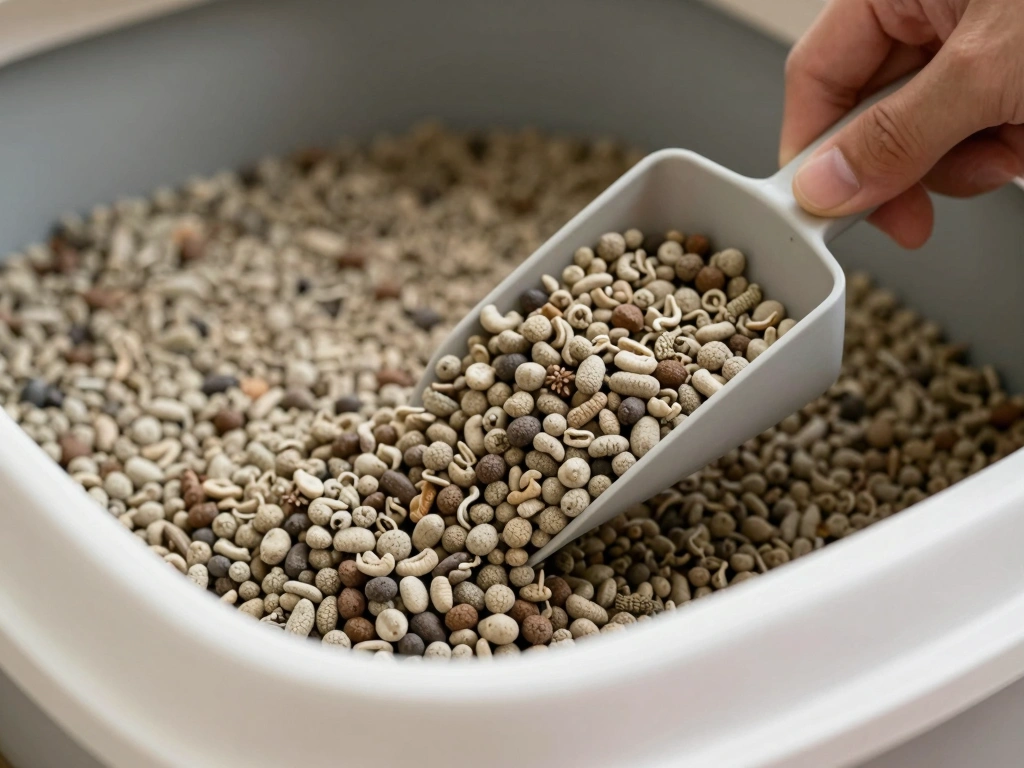
When it comes to choosing the right cat litter, pet owners often consider factors such as odor control, clumping ability, and environmental impact. However, the chemical composition of cat litter brands is a critical aspect that varies widely among different types. Understanding these chemical differences can help cat owners make informed choices that best suit their pets and households. In this article, we will delve into the chemical makeup of various cat litter types, their effectiveness, and their environmental implications.
Clay-Based Litter: Sodium Bentonite
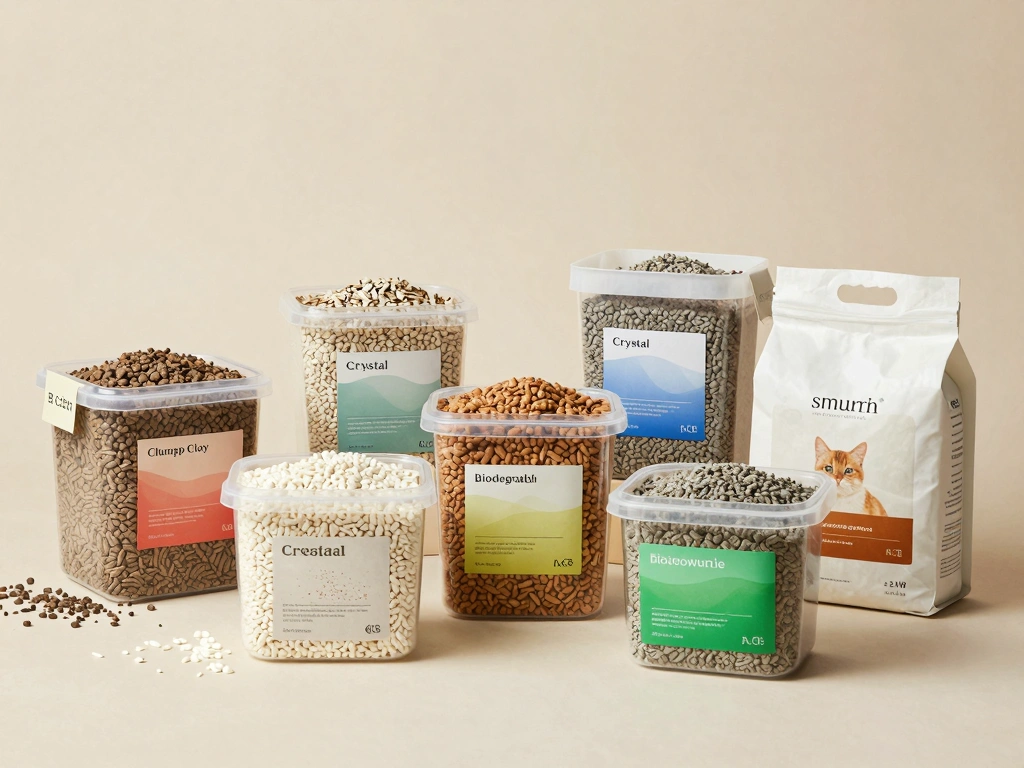
Clay-based litters are among the most popular options on the market, primarily due to their excellent clumping properties and odor absorption. The key chemical component in many clay litters is sodium bentonite, a type of clay that is formed from volcanic ash. Sodium bentonite is known for its unique swelling capabilities, which allow it to absorb moisture and form solid clumps when wet.
The chemical structure of sodium bentonite consists of layered silicate minerals, with each layer containing cations (positively charged ions) that can hold water between them. This property not only enhances its absorbency but also helps in trapping odors produced by cat urine and feces. Brands like Tidy Cats and Scoop Away utilize sodium bentonite to create highly effective clumping litters, often supplemented with other chemicals for enhanced performance.
Biodegradable Litter: Corn and Wheat Products
Biodegradable litters are gaining popularity as pet owners become more environmentally conscious. These litters are often made from natural materials such as corn, wheat, and recycled paper. The chemical composition of corn-based litters, such as World’s Best Cat Litter, typically includes starches and proteins that contribute to their clumping ability and odor control.
For instance, when corn is processed, it retains its starch content, which can absorb moisture and form clumps similar to sodium bentonite. Wheat-based litters, like Ökocat, also utilize natural starches and fibers to provide absorbency. Unlike clay-based litters, biodegradable options decompose more easily in landfills, making them a favored choice for eco-conscious consumers.
Crystal Litter: Silica Gel Composition
Crystal litter, primarily made from silica gel, offers a different approach to moisture control and odor management. Silica gel is composed of silicon dioxide (SiO2), which is a non-toxic, absorbent material. This type of litter doesn't clump like clay or biodegradable options; instead, it absorbs moisture and odors through its porous structure.
Brands like PetSafe ScoopFree and PetFusion utilize silica crystals that are designed to absorb moisture effectively while controlling odors. The silica gel's high surface area allows it to trap moisture, making it a low-maintenance option that can last longer than traditional litters. However, pet owners should be aware that while silica gel is generally safe, some cats may be sensitive to the texture or the absence of clumping.
pH Levels and Their Impact on Odor Control
The pH level of cat litter plays a crucial role in how effectively it controls odors, particularly those arising from ammonia, a common byproduct of cat urine. Understanding the pH levels associated with different litter types can provide insight into their performance and suitability for various households.
Understanding pH Levels in Cat Litter
pH is a measure of how acidic or basic a substance is, on a scale of 0 to 14, with lower values indicating acidity and higher values indicating alkalinity. Most cat litters have a pH level that ranges from 6 to 9. Clay litters, particularly those made from sodium bentonite, tend to be slightly alkaline, which can help neutralize some of the odors produced by cat waste.
Biodegradable litters, on the other hand, often have a pH level closer to neutral. For instance, corn-based litters typically have a pH around 6.5 to 7.5, making them less effective at neutralizing ammonia compared to their clay counterparts. Understanding these pH levels can help pet owners choose the right litter for their specific needs.
How pH Influences Ammonia Release
The release of ammonia from cat urine is a significant factor in odor control. When urine is deposited into a litter box, the urea in the urine can be broken down by bacteria, leading to the production of ammonia. An alkaline environment tends to promote this breakdown, resulting in stronger odors.
Clay litters with higher pH levels can help mitigate ammonia release by binding with the nitrogen in urea, thus reducing the likelihood of odor formation. In contrast, biodegradable litters may not effectively control ammonia due to their lower pH levels, which can lead to stronger odors over time. Brands like Fresh Step may include additional odor-neutralizing agents to combat this issue.
Comparative pH Levels Across Brands
To illustrate the differences in pH levels among various cat litter brands, consider the following examples:
- Tidy Cats: pH level around 7.5, effective in ammonia control.
- World’s Best Cat Litter: pH level around 6.5, offers decent odor control.
- PetSafe ScoopFree: pH level approximately 7.0, does not clump but absorbs moisture.
Understanding these pH differences can empower cat owners to select the best litter based on their pet's needs and the household environment.
Absorbency and Moisture Control: A Chemical Perspective
Absorbency is a key factor in cat litter effectiveness, directly impacting odor control and overall cleanliness. The mechanisms of absorption differ among various litter types due to their unique chemical compositions.
Mechanisms of Absorption in Different Litters
Clay-based litters, particularly those made from sodium bentonite, absorb moisture through a process known as capillary action. The layered structure of bentonite allows it to draw in liquid through tiny pores, leading to rapid clumping and solid waste formation. This mechanism enables effective moisture control, as seen in brands like Arm & Hammer.
Biodegradable litters, such as those made from corn and wheat, rely on the natural absorbent properties of their starches. These materials can absorb liquid and form clumps, but they may not perform as quickly or effectively as clay litters. The absorbency of biodegradable litters can vary widely based on their formulation, with some brands incorporating additional absorbent materials to enhance performance.
Cation Exchange Capacity in Clay Litters
Cation exchange capacity (CEC) refers to the ability of a material to hold and exchange cations, which can impact the effectiveness of odor control in clay litters. Sodium bentonite has a high CEC, allowing it to bind with various cations in cat waste, including ammonia. This binding action helps reduce odor and keeps the litter fresher for longer periods.
In contrast, biodegradable litters generally have lower CEC values, which can limit their ability to control odors effectively. Brands that enhance their formulations with additional minerals or chemicals, such as Zeolite, can improve their cation exchange capacity, leading to better overall performance.
Moisture Retention in Biodegradable Options
Moisture retention is another critical aspect of litter performance. Biodegradable litters often retain moisture differently than clay litters. For instance, corn-based litters can absorb moisture but may not retain it as effectively as sodium bentonite. Brands like Ökocat use a blend of reclaimed wood fibers that improve moisture retention while maintaining biodegradability.
Understanding these differences in moisture retention can help pet owners select the most suitable litter based on their cat's habits and the household environment. For example, households with multiple cats may benefit from clay litters due to their superior absorbency and clumping capabilities.
Additives and Their Chemical Functions in Cat Litter
Many cat litter brands include additives to enhance performance, control odors, and improve clumping. These additives often have specific chemical functions that can significantly impact the overall effectiveness of the litter.
Odor Neutralizers: How They Work
Odor neutralizers are commonly added to cat litters to combat unpleasant smells. These chemicals often include activated charcoal, baking soda (sodium bicarbonate), or proprietary blends aimed at neutralizing ammonia and other odor-causing compounds. Activated charcoal, for example, works by adsorbing odor molecules, thus trapping them and preventing them from escaping into the air.
Brands like Arm & Hammer utilize baking soda to neutralize odors effectively, while others may offer specialized odor-control formulations designed to target specific smells. Understanding the chemical functions of these additives can help pet owners choose litter that effectively manages odors in their homes.
Clumping Agents: Chemical Reactions in Action
Clumping agents are essential for creating solid clumps when moisture is absorbed. In clay-based litters, sodium bentonite serves as the primary clumping agent, allowing for quick and effective clumping. However, some brands add additional clumping agents, such as natural starches or synthetic polymers, to enhance performance.
For example, some biodegradable litters may incorporate natural clumping agents derived from plant sources, improving their ability to form clumps without compromising their eco-friendly nature. Understanding the role of clumping agents can help pet owners select the right litter for their specific needs.
Antimicrobial Additives: Safety and Efficacy
Some cat litter brands include antimicrobial additives to help minimize bacterial growth and odor. These additives often include compounds like silver ions or natural plant extracts that have antimicrobial properties. The efficacy of these additives can vary widely based on their concentration and formulation.
While antimicrobial additives can help reduce odors and improve overall cleanliness, pet owners should be cautious about potential safety concerns. Brands that clearly label their antimicrobial ingredients and ensure they are safe for pets and humans alike are generally preferred.
Environmental Impact of Chemical Components in Cat Litter
The environmental impact of cat litter is an increasingly important consideration for pet owners. Understanding the degradability and toxicity of different litter types can inform more sustainable choices.
Degradability of Different Litter Types
One of the primary concerns with traditional clay litters is their non-biodegradability. Sodium bentonite clay is typically strip-mined, leading to significant environmental degradation. When disposed of, these litters may take years to decompose in landfills. In contrast, biodegradable litters made from corn, wheat, or recycled paper are designed to break down more easily, offering a more sustainable option for environmentally conscious pet owners.
Brands like World’s Best Cat Litter promote their biodegradable properties, emphasizing that their products can decompose within a few months under the right conditions. This reduced environmental impact makes them a favored choice among eco-conscious consumers.
Toxicity of Chemical Additives to Wildlife
The use of chemical additives in cat litter also raises concerns about toxicity to wildlife. For instance, some scented litters may contain artificial fragrances or other chemicals that could be harmful to animals if ingested or inhaled. Ensuring that the chosen litter is free from harmful additives is crucial for maintaining the safety of both pets and the environment.
Brands that prioritize natural ingredients and avoid harsh chemicals, such as natural wood-based litters, are often viewed as safer options for both pets and wildlife.
Recycling and Sustainable Options in Cat Litter
As pet owners seek more sustainable options, several brands have begun offering recyclable or compostable cat litter. These products often utilize materials that can be repurposed or composted, further reducing environmental impact.
For example, brands like Ökocat and Yesterday’s News utilize recycled paper and wood fibers, making them compostable and a more sustainable choice compared to traditional clay litters. Pet owners interested in reducing their carbon footprint should consider these eco-friendly options when selecting cat litter.
In conclusion, the chemical composition of cat litter varies significantly among brands and types, influencing their performance, odor control, and environmental impact. Understanding these differences can help pet owners make informed decisions that align with their values and their cat's needs. Whether opting for clay-based, biodegradable, or crystal litter, being aware of the chemical components can enhance the overall experience for both pets and their humans.