Understanding Emergency Solar Panel Repair
What Constitutes an Emergency?
Understanding what constitutes an emergency in the context of solar panel systems is critical for homeowners and businesses relying on solar energy. An emergency typically refers to a situation that poses immediate risks to safety or property, specifically when solar panels or related equipment malfunction unexpectedly. Common emergency scenarios include severe damage from storms, physical impacts leading to structural failures, or critical system failures that result in loss of power. If your solar panels exhibit any of these conditions, it is essential to act quickly.
Common Causes of Solar Panel Failures
Solar panel failures can arise from a variety of causes. Here are some of the most common:
- Natural Disasters: Severe weather events such as hail, tornadoes, and hurricanes can physically damage solar panels.
- Electrical Failures: Issues such as inverter malfunctions and wiring problems can lead to loss of energy output or unsafe conditions.
- Mechanical Damage: Accidental impacts, such as falling branches or debris, can cause cracks or displacements in solar panels.
- Wear and Tear: Over time, exposure to the elements can degrade components, leading to decreased efficiency or failures.
Signs Your Solar Panels Need Urgent Attention
Identifying signs of distress in your solar panel system can help you take preventive measures before problems escalate. Look for:
- Significant drops in energy production despite consistent sunlight exposure.
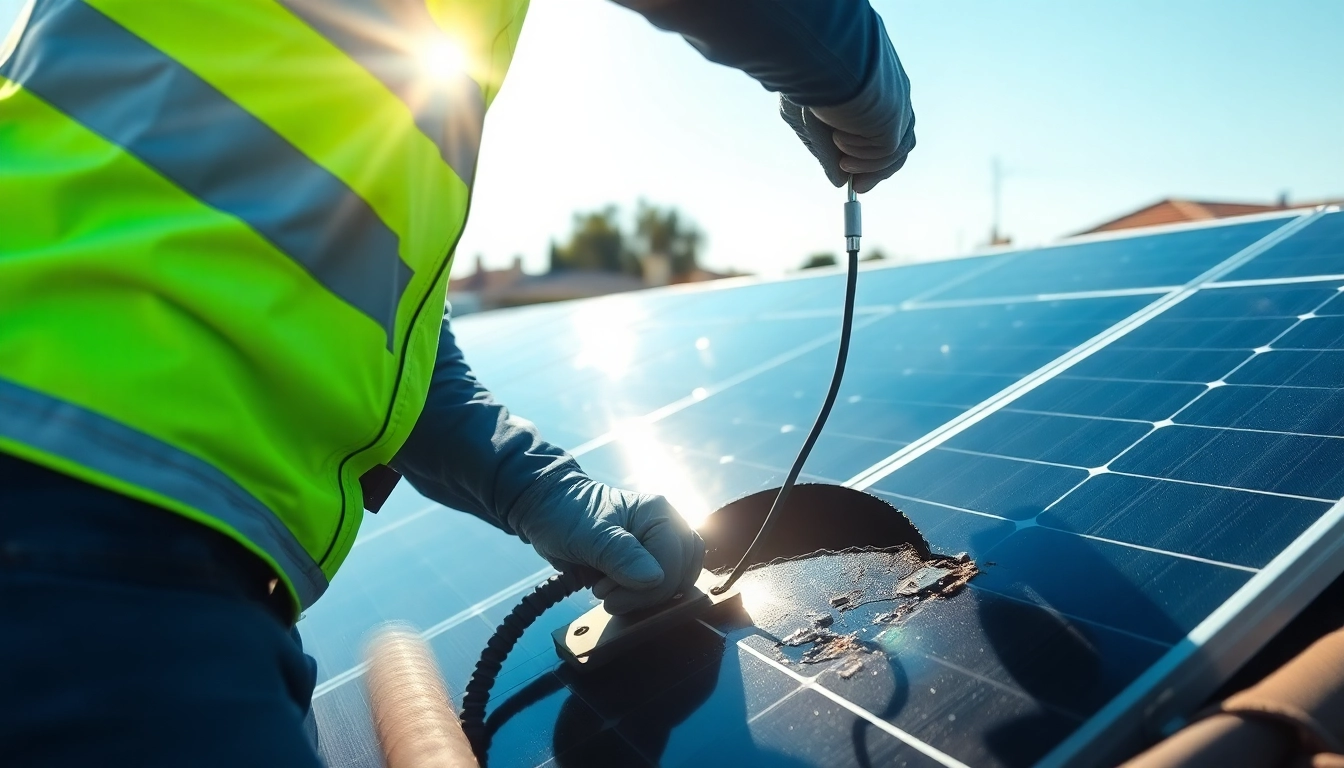
- Visible damage such as cracks, especially after severe weather.
- Unusual noises from electrical components, indicating malfunction.
- Error codes displayed on your solar inverter's dashboard.
Immediate Steps to Take After Damage
Assessing the Extent of Damage
After experiencing damage to your solar panel system, the first step is to assess the extent of that damage while ensuring your safety. Start by visually inspecting the panels from a safe distance, looking for obvious signs of damage or disarray. If safe, you may get closer but avoid touching any electrical components or exposed wiring. Document any visible damage with photographs for insurance or repair purposes.
Safety Precautions to Follow
Safety should always be your priority during an emergency situation. Here are steps to keep in mind:
- Turn off the solar power system immediately to avoid electric shocks or further damage.
- Avoid standing near the panels if they are significantly damaged or appear to be at risk of falling.
- Do not attempt repairs unless you have the proper training and tools. Incorrect handling can lead to injuries or worsen the situation.
When to Call for Professional Help
While minor issues may warrant DIY approaches, significant problems almost always require professional assessments. Call for expert help if:
- You identify severe damages that could lead to further risks.
- Electrical components are exposed or damaged, as they pose significant safety hazards.
- Your panels show signs of malfunctioning but you cannot pinpoint the issue.
DIY Emergency Solar Panel Repair
Tools and Materials You May Need
If you're considering a DIY repair, gather the necessary tools and materials. Common tools include:
- Screwdrivers and wrenches for loosening hardware.
- Multimeter to check the electrical output and diagnose issues.
- Gloves and safety goggles for personal protection.
- Sealants or adhesives in case of surface repairs.
Step-by-Step Repair Guide
Before attempting any repairs, make sure to turn off the solar panel system. Here’s a basic guide:
- Start by inspecting the panels and identifying visible issues.
- If a panel is cracked, replace it with one that meets manufacturer specifications.
- For wiring issues, ensure connections are tight and that wires are intact.
- Test the inverter and other electrical components with a multimeter to confirm functionality.
- Once repairs are complete, turn the system back on and monitor its output for stability.
Common Mistakes to Avoid During Repairs
Avoid these common pitfalls to ensure safe and effective repairs:
- Rushing through the assessment leading to overlooking major issues.
- Neglecting safety precautions, such as not wearing protective gear.
- Attempting complex electrical repairs without proper knowledge.
Cost Considerations for Emergency Solar Panel Repair
Typical Cost Ranges for Repairs
The cost of emergency solar panel repairs can vary widely based on the nature of the damage and location. On average, homeowners might expect to pay between $400 to $1,500 for common repairs. In more complex cases involving multiple systems or components, costs can escalate significantly. Always seek multiple quotes before proceeding with repairs.
Factors Influencing Repair Costs
Several factors contribute to the final cost of repairs:
- Extent of the damage and type of repair needed.
- Geographical location, which can affect labor costs and availability of parts.
- Accessibility of the solar panel system, as hard-to-reach areas may require more labor.
Insurance Coverage for Solar Panel Damage
Many homeowners find that their insurance policies cover solar panel repairs, but specifics can differ greatly by provider. It’s important to review your insurance policy terms or consult with your insurance agent to understand what damages may be covered and how to file a claim efficiently. Documentation of damage and repair estimates will be crucial here.
Preventing Future Emergencies
Regular Maintenance Tips
Prevention is often the best strategy for avoiding emergency situations. Regular maintenance tasks include:
- Conducting visual inspections every few months.
- Cleaning panels to remove debris and dirt that can affect energy production.
- Annual professional check-ups to ensure all components are functioning optimally.
Upgrading Your Solar System
Consider upgrading components that are outdated or inefficient. Technology advancements can improve reliability and performance. For example, investing in newer, more durable battery technologies can help in times of grid failure. Additionally, integrated performance monitoring systems can alert you to issues before they develop into emergencies.
Emergency Preparedness Strategies
Being prepared for emergencies involves more than just maintaining your solar panels. Consider implementing the following strategies:
- Keep emergency contacts for repair services available.
- Create a backup power plan, such as a generator, to ensure energy supply during outages.
- Develop a communication plan to keep family members informed in case of emergencies.
Frequently Asked Questions
What should I do first in a solar emergency?
Turn off your solar power system immediately to prevent further damage or hazards. Inspect for any obvious visible issues and ensure you stay at a safe distance.
How do I know if my solar panels are damaged?
Signs of damage include physical cracks in panels, unexpected drops in energy output, and error messages on the inverter display. Regular performance monitoring can help identify deeper issues as well.
Are emergency repairs covered by homeowner insurance?
Many homeowner insurance policies include coverage for solar panel damage, though coverage specifics vary widely. It’s important to review your policy or consult with your provider for particular details.
Can I repair my solar panel myself?
While some minor repairs can be attempted by homeowners, most significant repairs should be performed by qualified professionals to ensure safety and adherence to applicable codes.
How can I prevent solar panel emergencies?
Regular maintenance, including inspections and cleaning, along with monitoring performance, can significantly reduce the chances of emergencies occurring. Stay proactive in your upkeep efforts.
By understanding the nuances of emergency solar panel repair, you can help ensure that your solar energy system remains operational and effective, minimizing downtime and associated costs.