Understanding Bond Cleaning: What It Is and Why It Matters
Definition and Purpose of Bond Cleaning
Bond cleaning is a comprehensive cleaning process undertaken to ensure that a rental property is returned to its original condition before the tenant vacates. The primary purpose of this cleaning is to fulfill the terms of the lease agreement, ensuring that the property is presentable for the next occupant and to secure the full return of the tenant’s security deposit. Regular cleaning may not suffice, and in many cases, landlords and property managers expect a deep clean, commonly referred to as Bond cleaning.
Legal Implications and Responsibilities
Bond cleaning is often stipulated in rental agreements, particularly in areas where landlords hold substantial authority over rental deposits. Failing to execute a thorough bond clean can lead to disputes over the return of deposits. Tenants are responsible for ensuring that every aspect of the property, from appliances to bathrooms, is cleaned to meet the standards set out in their lease. Understanding these legal implications helps tenants avoid financial loss and unwanted legal entanglements.
Differences Between Regular and Bond Cleaning
While both regular and bond cleaning aim to maintain property cleanliness, there are notable differences. Regular cleaning involves routine tasks such as dusting, vacuuming, and general tidying up, which occur frequently throughout a tenant’s stay. In contrast, bond cleaning is an exhaustive process that covers every nook and cranny, often including tasks like deep-cleaning carpets, scrubbing kitchen appliances, and sanitizing bathrooms. This heightened level of cleanliness is what differentiates bond cleaning from everyday upkeep.
Preparing for Your Bond Cleaning
Checklist for a Successful Bond Cleaning
Preparation is critical to executing a successful bond clean. A comprehensive checklist includes:
- Kitchen: Clean oven, stove, refrigerator, countertops, and cabinets inside out.
- Bathrooms: Scrub toilets, showers, and sinks, and ensure all surfaces are disinfected.
- Bedrooms: Dust ceiling fans, clean and remove any stains from carpets, and wipe down window sills.
- Living areas: Vacuum any upholstery, clean windows, and dust all surfaces.
- Outdoor areas: Clear any debris and clean patios or balconies.
Essential Supplies and Tools Needed
Equipping yourself with the right cleaning supplies and tools is vital for efficient bond cleaning. Here’s what you will need:
- All-purpose cleaner
- Glass cleaner
- Disinfectant wipes
- Scrubbing brushes and sponges
- Microfiber cloths
- Vacuum cleaner and carpet cleaner
- Bucket and mop
- Rubber gloves for protection
Organizing Your Space Before Cleaning
Before commencing with cleaning, it is crucial to organize your space effectively. Start by decluttering: remove any personal items, unwanted furniture, and garbage. This step not only eases the cleaning process but also ensures that all areas are accessible and visible for a thorough clean. Additionally, consider creating a timeline to map out which areas you will tackle first, ensuring an efficient cleaning flow without redundancy.
Step-by-Step Guide to Bond Cleaning
Effective Techniques for Common Areas
Common areas such as living rooms and hallways set the first impression. To achieve an impressive finish, start by dusting all surfaces, including furniture and light fixtures. Clean windows for clarity and brightness, and pay special attention to baseboards and corners, where dust tends to accumulate. For hard surfaces, using a microfiber cloth with an appropriate cleaner will lift dirt effectively, while carpets may require thorough vacuuming, followed by steam cleaning for deeper dirt removal.
Special Focus on Kitchen and Bathroom Cleaning
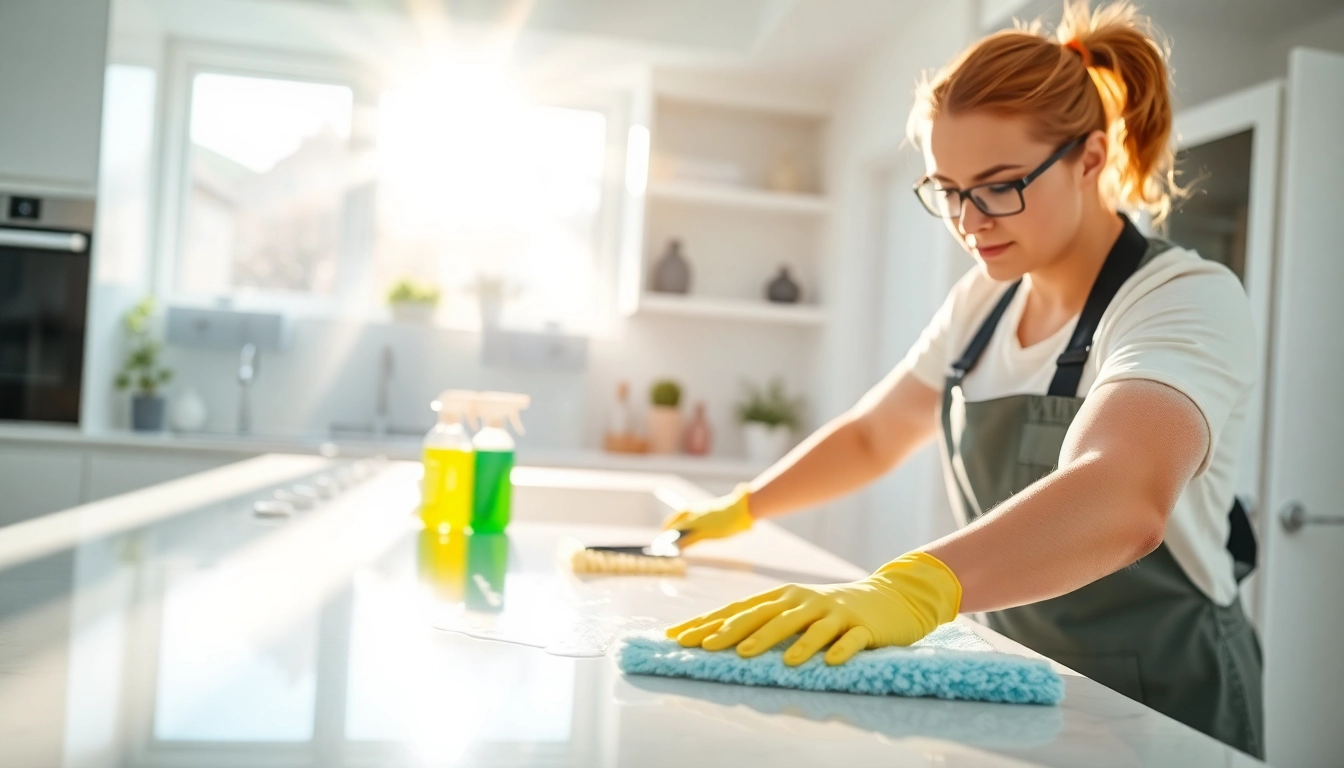
The kitchen and bathrooms are typically scrutinized the most during bond inspections. In the kitchen, remove grease from the stove and oven thoroughly with a degreaser. Don’t forget to clean inside the fridge, microwave, and dishwasher, ensuring no food residues are left. In bathrooms, focus on eliminating limescale build-up and ensuring that all surfaces, particularly touching surfaces, are disinfected. Paying attention to detail in these areas can significantly impact the return of your bond.
Handling Carpets and Upholstery
Carpets and upholstery often hold onto stains and odors, making them central to a successful bond clean. Begin with a thorough vacuuming to remove loose dirt. Following this, use a carpet shampoo or steam cleaner to address stains and odors effectively. For upholstery, follow the manufacturer's cleaning instructions, ensuring you don’t damage fabrics. If you're unsure or if the fabrics are delicate, consider hiring a professional service for these tasks.
Hiring Professionals vs. DIY Bond Cleaning
When to Consider Professional Help
While DIY bond cleaning is possible, you should consider hiring professionals in several situations. If the property is large or has intricate details, a professional service can manage the workload efficiently. Furthermore, if you are pressed for time, professionals can ensure a thorough clean that meets all required standards and expectations, thus saving you from potential disputes with landlords.
Cost Comparison and Value Analysis
Evaluating the costs associated with both DIY cleaning and professional services can guide your decision. DIY cleaning may seem cost-effective initially, but consider the time required and potential unforeseen expenses if standards are not met. Professional services generally cost between $120 and $500, depending on property size. When considering the secure return of your bond, the investment may prove invaluable.
Questions to Ask Cleaning Services
If you opt for professional cleaning, it’s essential to vet potential services effectively. Here are critical questions to consider:
- What is included in the bond cleaning service?
- Are they insured and bonded?
- Can they provide references or reviews from past clients?
- What cleaning products do they use?
- How do they handle damage or incidents during cleaning?
Post-Bond Cleaning: Final Steps and Follow-up
Conducting a Walkthrough with Your Property Manager
After completing your bond cleaning, it’s essential to conduct a walkthrough with your property manager. This step allows you to verify that all areas meet expectations and to address any concerns immediately. Be prepared to show proof of cleaning efforts, especially if you hired professionals. Documentation, including photos, can serve as a reference point during this process.
Common Mistakes to Avoid in Bond Cleaning
Bond cleaning can be overwhelming, but avoiding common pitfalls can make the process smoother. Neglecting minor details such as light fixtures, skipping thorough floor cleaning, or failing to check for hidden dirt can lead to disputes over the bond. Ensure to follow your checklist diligently and consider the expectations set forth in your lease.
Ensuring Full Deposit Return: What to Expect
After the bond cleaning and inspection, expect your property manager to assess the condition of the property meticulously. If the cleaning meets the standards, you should receive your full deposit back. However, if there are complaints or issues, it’s essential to communicate directly with your manager for clarity and resolution. An understanding of the process will prepare you for any disputes.
FAQs about Bond Cleaning
What is bond cleaning?
Bond cleaning is a thorough cleaning of a rental property to meet lease requirements and ensure the return of your deposit.
How much does bond cleaning cost?
Costs vary depending on property size. Typically, prices range from $120 to $500 for standard apartments.
How long does a bond clean take?
A standard bond clean can take anywhere from 3 to 8 hours, depending on the size and condition of the property.
Can I do bond cleaning myself?
Yes, you can, but professional services may be more efficient and ensure thorough cleaning for deposit recovery.
What should I include in my bond cleaning checklist?
Include areas like kitchens, bathrooms, windows, carpets, and outdoor spaces to ensure a comprehensive clean.