Introduction to Upvc Doors
When it comes to enhancing the security, aesthetic appeal, and energy efficiency of your home, upvc doors have emerged as a popular choice among homeowners. With their exceptional durability, low maintenance requirements, and stylish designs, these doors offer a practical solution that aligns with modern home improvement trends. In this comprehensive guide, we will explore everything there is to know about upvc doors—from their definition and benefits to types, installation, and much more.
1. Definition of Upvc Doors
uPVC stands for unplasticized polyvinyl chloride, which is a type of plastic rigid enough to withstand various environmental elements. Unlike regular PVC, uPVC does not contain any plasticizers, making it stronger and more durable. uPVC doors are manufactured through a process that ensures they retain their shape and do not warp, rot, or rust like traditional wooden or metal doors. This makes them an ideal choice for exterior applications, ensuring long-lasting performance under varying conditions.
2. Benefits of Using Upvc Doors
One of the key advantages of upvc doors is their exceptional energy efficiency. They often feature multi-chambered designs that trap air, providing insulation and reducing energy bills. Aside from energy savings, upvc doors are known for their impressive security features, including multi-point locking systems that make forced entry extremely difficult.
Furthermore, they require minimal maintenance. Unlike wooden doors that require regular paint and treatment to prevent decay, upvc doors only need occasional cleaning with soap and water to maintain their appearance. This dramatic reduction in upkeep makes them a convenient choice for busy homeowners.
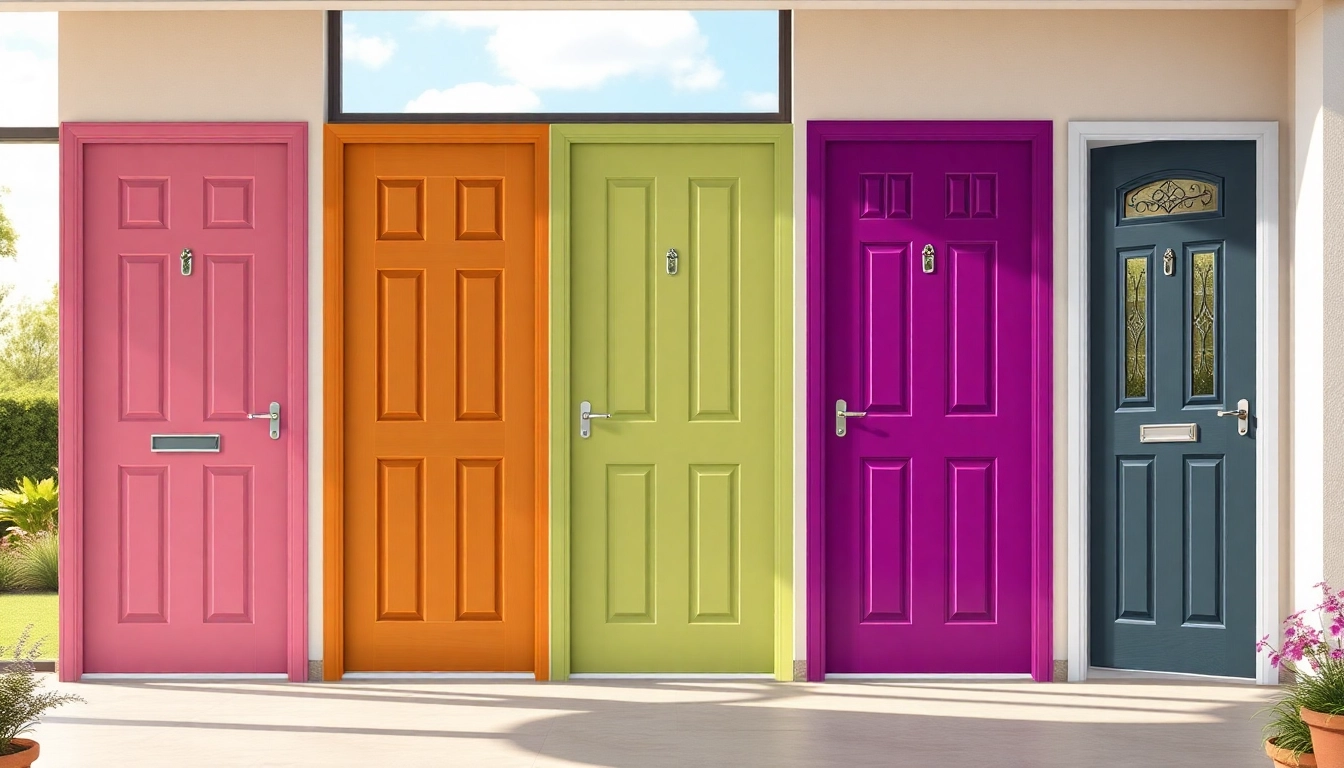
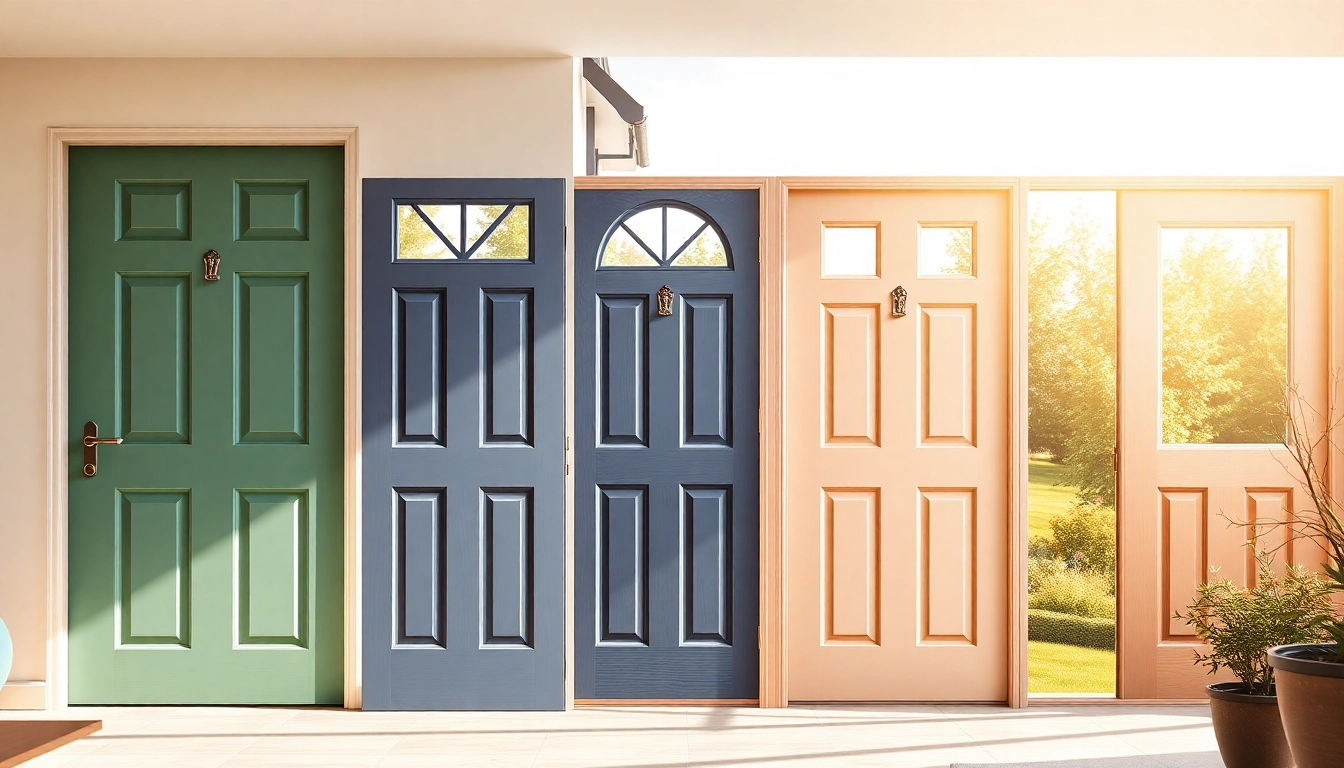
Additionally, upvc doors are available in various colors, styles, and designs, allowing homeowners to customize their selection to suit their specific aesthetic preferences. With options from traditional to contemporary designs, there is a style for every taste.
3. Common Use Cases for Upvc Doors
uPVC doors are versatile and can be deployed in various settings within and around your home. Frequently used as front doors or back doors, they act as secure access points while also enhancing curb appeal. Many homeowners opt for upvc doors for garden entrances or in garages due to their durability and weather-resistant properties.
Moreover, they can be used in commercial spaces, combining functionality with style. Whether in a shop, office building, or other business venues, their robust construction provides the necessary security while creating a welcoming atmosphere for customers.
Types of Upvc Doors
1. Front Upvc Doors
Front upvc doors are often the first point of contact for visitors, making them crucial in terms of security and aesthetics. These doors come equipped with a variety of options such as decorative glass panels and various finishes to enhance the overall look of your home. Security features in modern upvc front doors include high-quality locking systems and reinforced frames, ensuring maximum protection against intrusions.
2. Back Upvc Doors
Back upvc doors often serve as utility points and may lead to outdoor spaces like backyards or patios. They are designed for easy access while maintaining the same security and energy efficiency as front doors. Many homeowners choose to install back doors with large glass panels to allow natural light into their homes, creating a bright and inviting atmosphere.
3. French and Sliding Upvc Doors
French doors and sliding doors are elegant solutions that can significantly enhance the character of any home. French upvc doors typically feature double doors that open inwards or outwards, creating a grand entrance to patios or gardens. Sliding upvc doors, on the other hand, save space and provide seamless access to outside areas. Both types offer expansive views and natural light, ensuring that they are functional yet stylish additions to your home.
Factors to Consider When Choosing Upvc Doors
1. Style and Design Considerations
When selecting upvc doors, consider the architectural style of your home to ensure a cohesive look. uPVC doors come in various styles, including modern, traditional, and transitional designs. You can also select from a range of colors and finishes, making it easy to find something that complements your existing decor.
2. Security Features and Ratings
Security should be a top priority when choosing uPVC doors. Look for doors that have been tested for burglar resistance and come equipped with multi-point locking systems. Moreover, security ratings from recognized organizations will help you identify doors that provide superior protection against intrusions.
3. Weather Resistance and Insulation
Weather resistance is essential when choosing upvc doors, especially in areas that experience extreme weather conditions. Consider doors that feature additional weatherproofing, including seals and gaskets, to prevent drafts, moisture intrusion, and energy loss. High-quality insulation properties also contribute to reducing energy costs during the colder months.
Installation and Maintenance of Upvc Doors
1. Professional Installation vs. DIY
While some homeowners may consider a DIY installation to save costs, professional installation is recommended to ensure that your upvc doors are fitted correctly. Proper installation is crucial for maintaining security, weather resistance, and overall functionality. If opting for a DIY route, ensure you follow the manufacturer's guidelines closely and have the necessary tools for the job.
2. Cleaning and Care Tips
Maintaining the appearance and functionality of your upvc doors is simple. Regularly clean the doors with soap and water, and be sure to wipe down frames, handles, and locks. Avoid abrasive cleaners that could scratch the surface. Checking for wear and tear periodically will help spot potential issues before they become significant problems.
3. Common Issues and Their Solutions
Occasionally, upvc doors may experience wear or damage. Common issues include sticking doors, condensation between glass panes, and misaligned frames. Sticking doors can often be resolved by adjusting the hinges or lubricating the locking mechanism. Condensation can indicate an issue with the seals, which may need to be replaced. Regular maintenance and prompt attention to issues will extend the lifespan of your upvc doors.
FAQs About Upvc Doors
1. What is the difference between upvc doors and traditional wooden doors?
uPVC doors offer superior durability and require far less maintenance than traditional wooden doors, which can warp or rot over time. Additionally, uPVC doors provide better insulation and security features.
2. How long do upvc doors typically last?
When properly maintained, upvc doors can last anywhere from 20 to 30 years. Their longevity depends on the quality of installation and exposure to environmental factors.
3. Can upvc doors be painted?
While it's possible to paint upvc doors, it's generally not necessary or advisable. If you want a different look, it's better to select doors that come in your desired color.
4. Do upvc doors require a lot of maintenance?
No, one of the advantages of upvc doors is their low maintenance needs. Regular cleaning with soap and water is usually sufficient to keep them looking good.
5. Are upvc doors energy-efficient?
Yes, upvc doors are known for their energy efficiency. Their insulated construction helps maintain interior temperature, reducing energy bills.