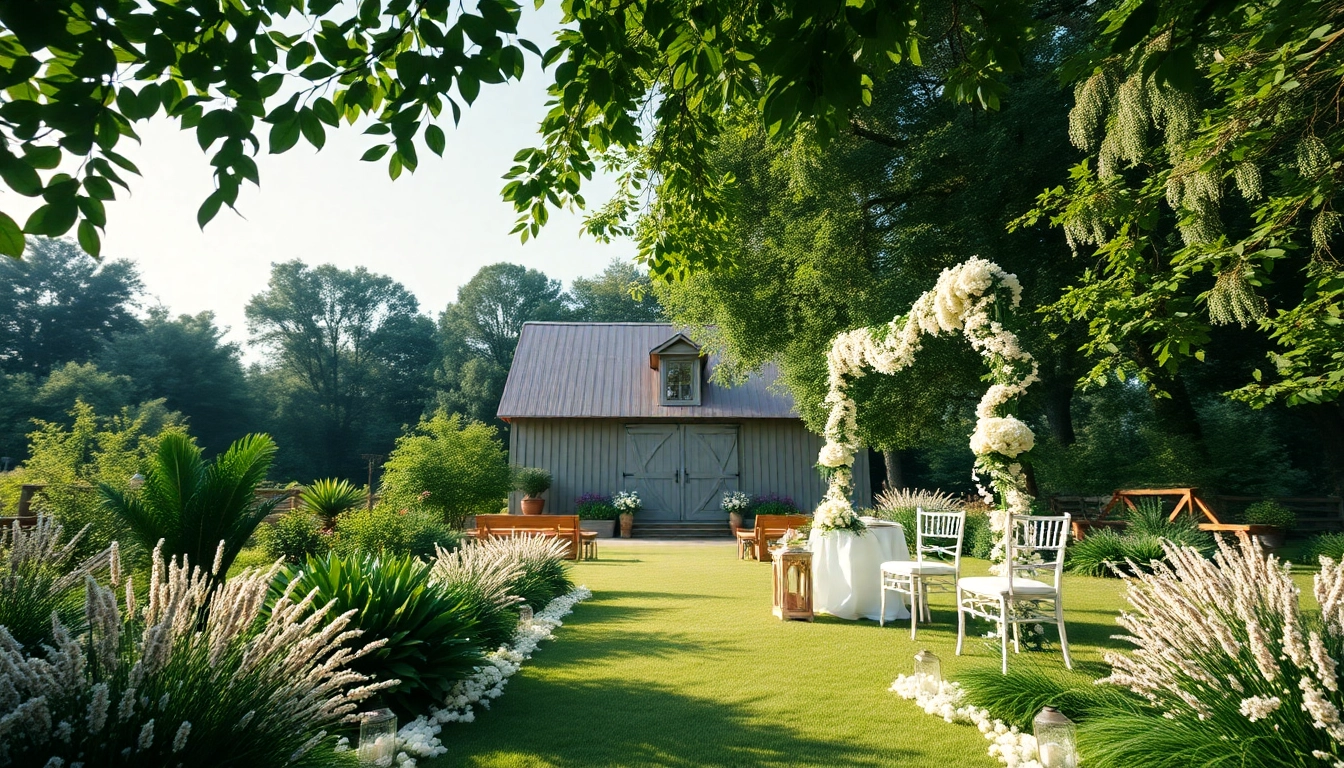
Understanding Your Wedding Venue Needs
Choosing a wedding venue is one of the most critical steps in planning the perfect wedding. Couples must consider various factors that align with their vision, values, and logistics. This guide will facilitate your journey through this process, ensuring you find a venue that not only meets your needs but also enhances the overall experience of your special day.
Identifying Your Style Preferences
Before you start your search for a wedding venue, take some time to reflect on your personal style. Are you envisioning a classic, elegant affair, or a vibrant, bohemian celebration? Factors such as location, seasonality, and theme play a significant role in determining which venues will suit your style best. Consider browsing wedding magazines and online galleries to gather inspiration. This exercise will not only clarify your preferences but also help you communicate your vision more effectively with potential venues.
Setting a Budget for Your Wedding Venue
Establishing a budget is paramount when selecting a wedding venue. It sets the groundwork for your overall wedding expenses. Typically, venue costs encompass site fees, catering, rentals, and more. Aim to allocate about 30-50% of your total wedding budget to the venue. Research typical costs in your desired area to create a realistic budget and stick to it, balancing high-priority items with smaller expenses. Don’t forget to factor in potential hidden costs like service fees and gratuities.
Guest Capacity Considerations
Knowing the ideal number of guests will aid in narrowing down your venue choices. Consider not only the maximum capacity advertised by the venue but also how many guests you genuinely want to invite. It’s essential to select a venue that accommodates your guest list comfortably while also allowing for movement and interaction. If you anticipate a larger celebration, ensure that the venue has sufficient space for dining, dancing, and other activities, providing a sense of openness rather than overcrowding.
Researching Wedding Venues
The next step in your wedding venue search is to conduct thorough research. By leveraging a variety of resources, you can uncover a range of options that may align perfectly with your vision.
Utilizing Online Resources and Reviews
The Internet is a treasure trove of information. Websites dedicated to wedding planning often feature comprehensive listings of venues complete with photographs, detailed descriptions, pricing info, and user reviews. Utilizing platforms that compare multiple venues allows you to make informed decisions based on real experiences. Try searching through local listings for targeted results and don’t hesitate to explore regional venues that may not have a mainstream presence yet.
Asking for Recommendations
There’s no substitute for personal recommendations from family, friends, or colleagues. Their experiences can guide you to venues that might not appear in online searches. Additionally, local wedding planners can provide insights and recommendations, leveraging their industry knowledge to suggest venues that fit your style and budget. Networking within the wedding community can also open doors to unique venues.
Visiting Various Locations
Nothing beats a physical venue visit. When possible, tour prospective venues to get a sense of their ambiance, layout, and facilities. Pay attention to the details: the cleanliness, the friendliness of the staff, and how well the venue is maintained. Schedule visits at different times of day to see how natural lighting affects the space; this is especially important if you’re planning an outdoor ceremony or reception. You can also visualize how your decor and layout will coexist within the space.
Evaluating Wedding Venue Amenities
Once you’ve narrowed down your list of potential venues, it’s time to evaluate their amenities and determine what services they provide, which can significantly impact your budget and experience.
Understanding In-House Services and Packages
Many venues offer comprehensive packages that include catering, decor, and coordination services. Evaluate these packages critically. Do they align with your desired services and values? Sometimes, opting for an all-inclusive package can actually save you money and time, as it simplifies logistics. Be sure to understand the details of what’s included and ask about customization options, as flexibility can help tailor the experience to your specific needs.
Accessibility Options for Guests
Accessibility should not be overlooked when finalizing your venue choice. Ensure that the venue complies with accessibility standards, offering facilities for guests with mobility challenges. Consider aspects such as parking, entryways, bathrooms, and seating arrangements. Your guests’ comfort should always be a priority, so gather information on accommodations for elderly or disabled guests to create an inclusive environment.
Catering and Beverage Choices
Catering is a major component of any wedding, and the options available at your venue can influence your budget significantly. Review whether the venue has exclusive catering partnerships or if you have the flexibility to choose your own caterers. If you prefer a custom menu, it’s essential to clarify whether this would incur additional fees. Additionally, consider beverage options. An open bar or cash bar can drastically differ in cost, so assess what fits within your overall wedding budget.
Booking Your Wedding Venue
After evaluating various venues, it’s time to take action and secure your selected location. This involves navigating contracts, deposits, and effective communication with venue staff.
Negotiating Contracts and Pricing
Don’t shy away from negotiating the terms of the contract. Understand all the monetary commitments before signing anything. Check for details surrounding deposit amounts, payment schedules, cancellation policies, and additional fees that may arise. Many venues are willing to negotiate better terms, particularly during off-peak seasons. Always make sure that the contract reflects everything promised during negotiations to avoid misunderstandings later on.
Timing and Deposit Considerations
Once you’ve settled on a venue, it’s essential to act quickly to secure your date. Most venues require a deposit to reserve your date, and this can vary significantly. Ensure you understand the payment schedule and whether the deposit is refundable should your plans change. Timing is crucial; if you have a specific date in mind, book it as early as possible to avoid disappointment and to capitalize on any seasonal discounts.
Communicating with Venue Staff
Establishing a strong relationship with your venue coordinator can greatly benefit the planning process. This point of contact can offer insights into the venue’s layout, potential challenges, and best practices for your wedding day. Maintain open lines of communication to ensure that expectations are clear and any logistics are handled seamlessly. A responsive and knowledgeable venue staff can alleviate much of the stress that accompanies wedding planning.
Creating the Perfect Atmosphere at Your Wedding Venue
The right venue can provide the perfect backdrop, but how you prepare it can create the atmosphere you desire for your wedding day.
Decorating for Theme and Mood
Consider how to customize your chosen venue to reflect your personal style and wedding theme. Collaborative decor efforts, whether DIY or through the hiring of professionals, can transform a space. Discuss your vision with florists and decorators and explore how they can enhance the existing features of the venue. Color schemes, floral arrangements, and lighting elements can all contribute greatly to the mood you want to create.
Audio-Visual Elements
Incorporate audio-visual elements that elevate the guest experience. This could include a sound system for music, microphones for speeches, or multimedia displays for presentations. Discuss with your venue whether equipment is available for rent or if you need to hire third-party vendors. The right audio-visual setup can amplify the excitement during the reception and create lasting memories with well-timed music and visuals.
Weather Considerations for Outdoor Events
If your wedding plans include outdoor elements, it’s crucial to have contingency plans in place. Weather can be unpredictable, influencing everything from guest comfort to decor placement. Discuss alternative options with your venue, such as indoor backups or tents, should inclement weather strike. Be sure to communicate frequently with your planner to ensure preparations can be made in real-time.
FAQs about Wedding Venues
What is the ideal time to book a wedding venue?
Typically, booking a venue 12 to 18 months in advance of your wedding date gives you the best selection of available dates and locations.
How do I determine the right guest capacity for my venue?
Estimate your guest list size and consider the space needed for dining, dancing, and other activities; selecting a venue slightly larger than your estimate can ensure comfort.
Are venue packages worth it?
Many all-inclusive venues can offer savings and convenience through bundled services, but evaluate what’s included to ensure it meets your needs.
What should I look for during a venue visit?
Pay close attention to the venue's cleanliness, staff friendliness, ambiance, and how well lighting and layout can accommodate your vision.
Can I use my own vendors at the venue?
Many venues allow outside vendors, but some have exclusive partnerships; always confirm these details before signing a contract.