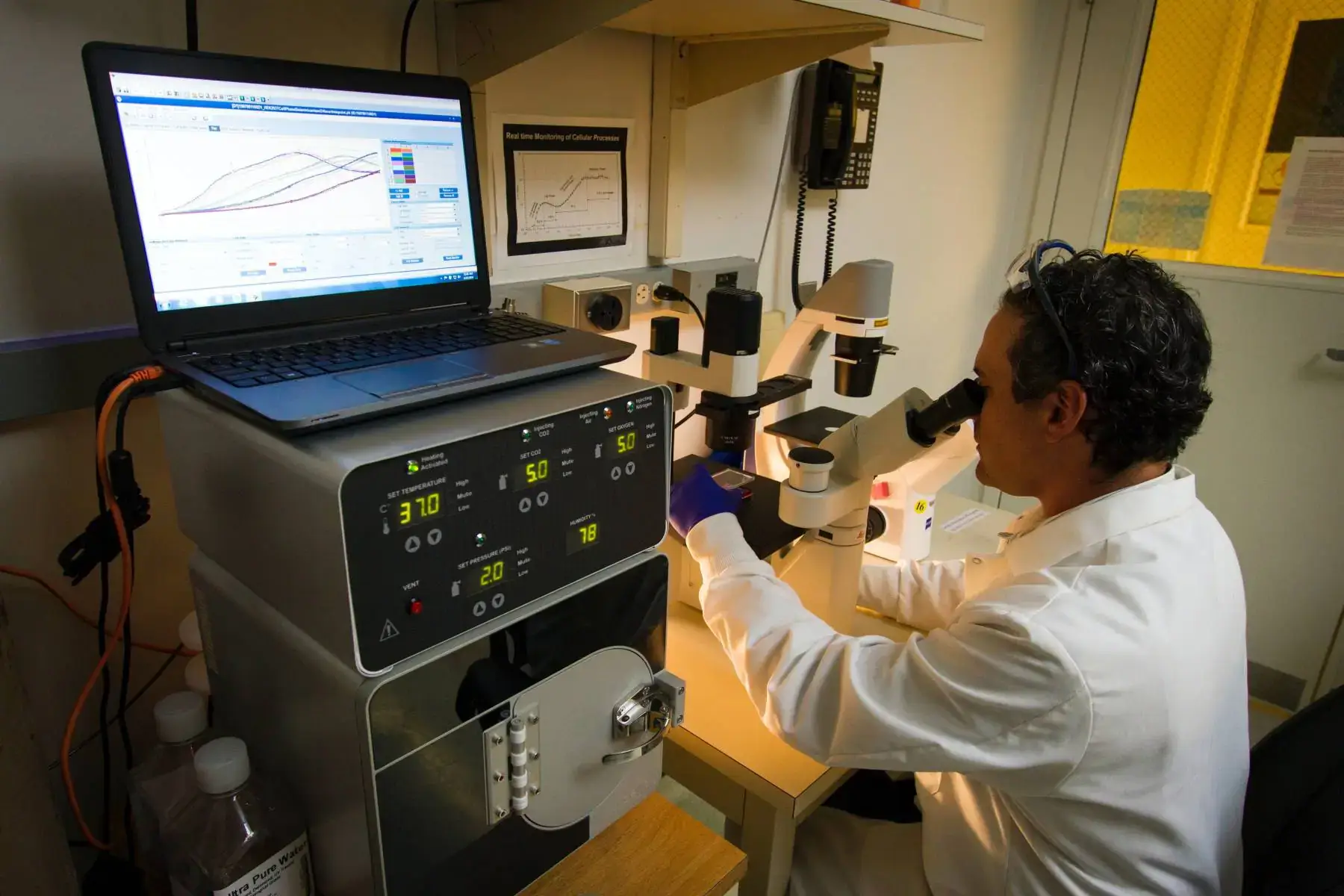
Understanding Peptides
What Are Peptides?
Peptides are small chains of amino acids, typically consisting of 2 to 50 amino acids linked by peptide bonds. These biomolecules play critical roles in various biological processes. Due to their structural and functional diversity, peptides can serve as hormones, neurotransmitters, and even as building blocks for proteins.
Types of Peptides
Peptides can be categorized based on their number of amino acids and functions. Major types include:
- Signal Peptides: These initiate protein synthesis, guiding nascent proteins to their destination.
- Hormonal Peptides: Such as insulin, they regulate physiological processes.
- Neuropeptides: Involved in neuron communication and modulating pain, reward, and stress.
- Antimicrobial Peptides: Serve as a defense mechanism in various organisms.
Role of Peptides in Biological Functions
Peptides participate in numerous biological activities. They can impact cell signaling, immune responses, and metabolic rates. Understanding these roles enables scientists to utilize peptides in therapeutic applications more effectively, leading to advances in medicine and biotechnology.
Peptide Synthesis Techniques
Solid-Phase Peptide Synthesis
Solid-phase peptide synthesis (SPPS) is a widely used method that allows for the efficient production of peptides. The process involves attaching the first amino acid to a solid support, followed by sequentially adding protected amino acids. A benefit of this technique is the ability to purify the peptide rapidly at each step, minimizing by-products.
Liquid-Phase Peptide Synthesis
Liquid-phase peptide synthesis is less common than SPPS but still valuable, particularly for long peptides. This method permits the use of large quantities of solvents, allowing complex reactions to occur. However, it may result in lower yields compared to SPPS and requires more purification steps.
Challenges in Peptide Production
Producing peptides comes with various challenges, including:
- Yield and Purity: Low yields and impurities can complicate production efforts.
- Scalability: Transitioning from laboratory to industrial-scale production often raises issues.
- Stability: Peptide stability can be compromised during synthesis or storage, affecting efficacy.
Applications of Peptides in Medicine
Therapeutic Uses of Peptides
Peptides have become pivotal in therapeutic settings, effectively treating diseases like diabetes, cancer, and cardiovascular issues. For instance, insulin is a well-known peptide hormone used to manage blood glucose levels in diabetic patients. Advances are continually being made to harness peptides for targeted therapies.
Peptides in Drug Development
The pharmaceutical industry has recognized the potential of peptides as drug candidates. Some peptides exhibit specificity for their targets, reducing side effects associated with traditional drugs. They are also being explored for their roles in diagnostics and imaging techniques, further contributing to medical innovations.
Safety and Efficacy of Peptide Treatments
Peptide therapies are generally seen as safe due to their natural origin and human compatibility. However, comprehensive studies are necessary to evaluate their long-term impacts and potential immunogenicity. Regulatory bodies require extensive clinical trials to ensure these treatments are both effective and safe before approval.
The Role of Reconstitution Solutions
Importance of Reconstitution in Peptide Preparation
A critical aspect of peptide use in therapeutics is proper preparation, which involves dissolving lyophilized peptides in appropriate solutions. This process, often referred to as reconstitution, ensures the peptide is in a usable form prior to administration. Utilizing a quality reconstitution solution helps maintain peptide integrity and function.
Best Practices for Using Reconstitution Solutions
To maximize the effectiveness of reconstitution solutions, users should follow best practices such as:
- Utilizing the correct solvent: Peptides may require specific solvents to ensure complete dissolution.
- Gentle mixing: Avoid vigorous shaking, which can denature sensitive peptides.
- Monitoring temperature: Temperature fluctuations can impact peptide stability, so maintaining a steady environment is crucial.
Evaluating Quality and Stability of Reconstructed Peptides
After reconstitution, assessing the quality and stability of peptides is essential. Techniques like mass spectrometry and high-performance liquid chromatography (HPLC) are commonly used to analyze peptide purity and confirm correct molecular weight. Regular monitoring ensures that therapeutic peptides meet safety and efficacy standards.
Future Trends in Peptide Research
Emerging Peptide Applications
The scope of peptide applications is rapidly increasing. Emerging fields such as personalized medicine are making use of peptide-based therapies tailored to individual genetic profiles. Additionally, peptides are being explored in nanotechnology for drug delivery systems, enhancing the precision and efficacy of treatments.
Technological Innovations in Peptide Studies
Recent advancements in biotechnology, including AI-driven drug design and next-generation sequencing, are set to revolutionize peptide research. These technologies enable faster identification of peptide structures and functions, paving the way for novel therapeutic applications.
Collaborative Research Endeavors
Research institutions, pharmaceutical companies, and biotech firms are increasingly collaborating to accelerate the pace of peptide research. Such partnerships foster innovation and facilitate the sharing of resources, expertise, and data. These collaborative efforts are essential in addressing complex health challenges with peptide-based solutions.
FAQs
What are peptides?
Peptides are short chains of amino acids linked by peptide bonds, crucial for numerous biological functions.
How are peptides synthesized?
Peptides are synthesized using methods like solid-phase and liquid-phase peptide synthesis techniques.
What is a reconstitution solution?
A reconstitution solution is used to dissolve lyophilized peptides to prepare them for therapeutic use.
What are the applications of peptides in medicine?
Peptides are used in therapies, drug development, and as biological markers for diagnosis and treatment.
What are the benefits of using reconstitution solutions?
Reconstitution solutions improve the solubility and stability of peptides, ensuring their efficacy in treatments.