Introduction to Green Cooling
As the temperatures rise and climate change impacts grow more prominent, the need for efficient and sustainable cooling solutions becomes increasingly critical. Green Cooling represents a innovative approach that not only focuses on reducing energy consumption but also aims to mitigate environmental damage. This article delves into what constitutes Green Cooling, its myriad benefits, and the technologies driving this movement forward.
What is Green Cooling?
Green Cooling refers to cooling systems and technologies designed to minimize environmental impact while delivering effective temperature control. This approach incorporates energy-efficient equipment, innovative designs, and eco-friendly refrigerants, focusing on reducing greenhouse gas emissions and energy use. The ultimate goal of Green Cooling is not merely comfort but also sustainability, ensuring that cooling systems contribute positively to the environment.
Benefits of Green Cooling
The advantages of implementing Green Cooling solutions span numerous facets of life and industry, including:
- Energy Savings: Green Cooling systems use less energy compared to traditional cooling technologies, leading to significant reductions in energy bills.
- Environmental Protection: By reducing the reliance on harmful greenhouse gases and non-renewable resources, these systems contribute to climate change mitigation.
- Health and Comfort: Many Green Cooling solutions improve indoor air quality, making environments healthier and more comfortable for occupants.
- Increased Property Value: Sustainable technologies are increasingly attractive to buyers, which can enhance the value of properties featuring Green Cooling systems.
Key Technologies in Green Cooling
Understanding the technology behind Green Cooling is essential to appreciate its effectiveness. Here are some key technologies involved:
- Evaporative Cooling: This method uses water evaporation to cool the air, making it highly efficient and environmentally friendly.
- Geothermal Systems: By leveraging the moderate temperatures underground, these systems provide stable and efficient heating and cooling.
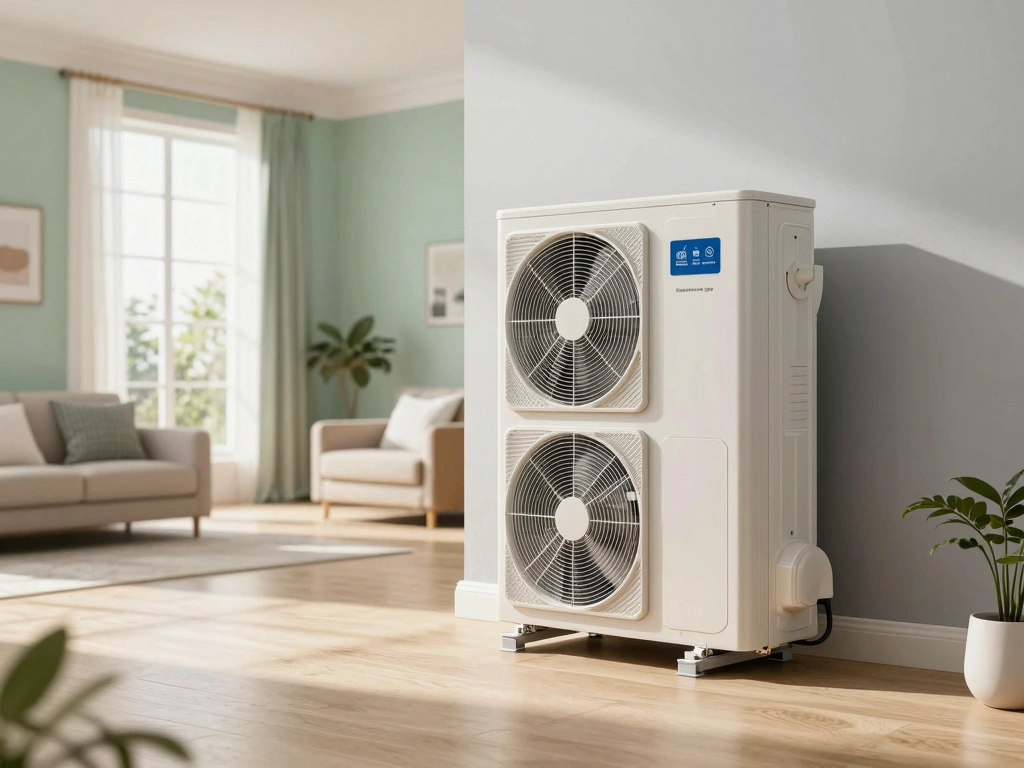
- High-Efficiency HVAC Systems: These systems are designed to operate using less energy while maintaining high performance, featuring advanced controls and eco-friendly refrigerants.
- Thermal Energy Storage: This technology allows cooling systems to produce ice or chilled water during off-peak hours, which can be used during peak demand times, reducing energy consumption.
Understanding Energy Efficiency
Energy efficiency is a cornerstone of Green Cooling—achieving high levels of efficiency is vital for conserving resources and reducing operational costs. The discussion around energy efficiency in Green Cooling involves understanding how these systems optimize energy use and contribute to a sustainable future.
How Green Cooling Enhances Energy Efficiency
Green Cooling systems improve energy efficiency in several ways:
- Innovative Design: These systems are designed to minimize energy loss and maximize cooling output.
- Smart Controls: Advanced control technologies, including smart thermostats and IoT integrations, allow homeowners to optimize their cooling based on real-time data.
- Regular Maintenance: Energy-efficient systems are typically designed for easy maintenance, enabling users to keep their systems running optimally.
Measuring Efficiency with Energy Star Ratings
Energy Star ratings offer a reliable metric for gauging the efficiency of cooling systems. Equipment that earns the Energy Star label meets strict energy efficiency guidelines set by the US Environmental Protection Agency. This reliable benchmarking helps consumers choose systems that align with sustainable practices while providing substantial efficiency benefits.
Best Practices for Implementation
To effectively implement Green Cooling systems, several best practices can be followed:
- Conduct an energy audit to understand current consumption and optimize the setup accordingly.
- Choose equipment that is aligned with energy efficiency certifications, such as Energy Star.
- Utilize smart technology integrations to manage system performance actively.
- Incorporate regular maintenance schedules to keep systems functioning at peak efficiency.
The Role of Sustainability
Sustainability is at the heart of Green Cooling, reflecting an intersection with broader ecological goals. When considering cooling solutions, evaluating their environmental impact alongside their operational efficiency is critical for both consumers and businesses alike.
Environmental Impact of Green Cooling
The environmental benefits of adopting Green Cooling systems are far-reaching:
- Reduced Carbon Footprint: By minimizing energy consumption and utilizing alternative refrigerants, these systems can significantly decrease greenhouse gas emissions.
- Conservation of Resources: Using less energy contributes to a lower demand for fossil fuels and other non-renewable resources.
- Enhancing Urban Heat Resiliency: As cities grow, Green Cooling helps combat urban heat islands, making urban spaces more livable.
Strategies for Sustainable Practices
In addition to utilizing sustainable technologies, employing strategies such as energy-efficient design in buildings, promoting alternative energies like solar power, and encouraging behavioral changes in energy consumption are vital for enhancing the effectiveness of Green Cooling systems. Collaboration among various stakeholders can drive these efforts forward.
Case Studies on Sustainability
Examining successful implementations of Green Cooling can provide valuable insights. For instance:
- Commercial Installations: Various office complexes have successfully reduced their energy consumption by incorporating Green Cooling technologies, leading to substantial cost savings and a positive public image.
- Residential Applications: Homeowners who switched to geothermal systems or energy-efficient HVAC setups report not only lower energy costs but also increased comfort levels.
Choosing the Right Green Cooling System
With numerous Green Cooling options available, making an informed decision requires careful consideration of different factors to find the most suitable solution.
Factors to Consider when Selecting a System
When evaluating Green Cooling systems, consider the following:
- Local Climate: Your area's climate can dictate which cooling method will be most effective; for example, evaporative coolers may work well in arid climates, whereas geothermal systems may be better suited for moderate climates.
- Energy Efficiency Ratings: Look for systems that meet or exceed Energy Star ratings.
- Installation and Maintenance Needs: Some systems may require more complex installations and upkeep than others.
Comparative Analysis of Popular Options
There are various Green Cooling systems on the market, each with unique advantages and disadvantages:
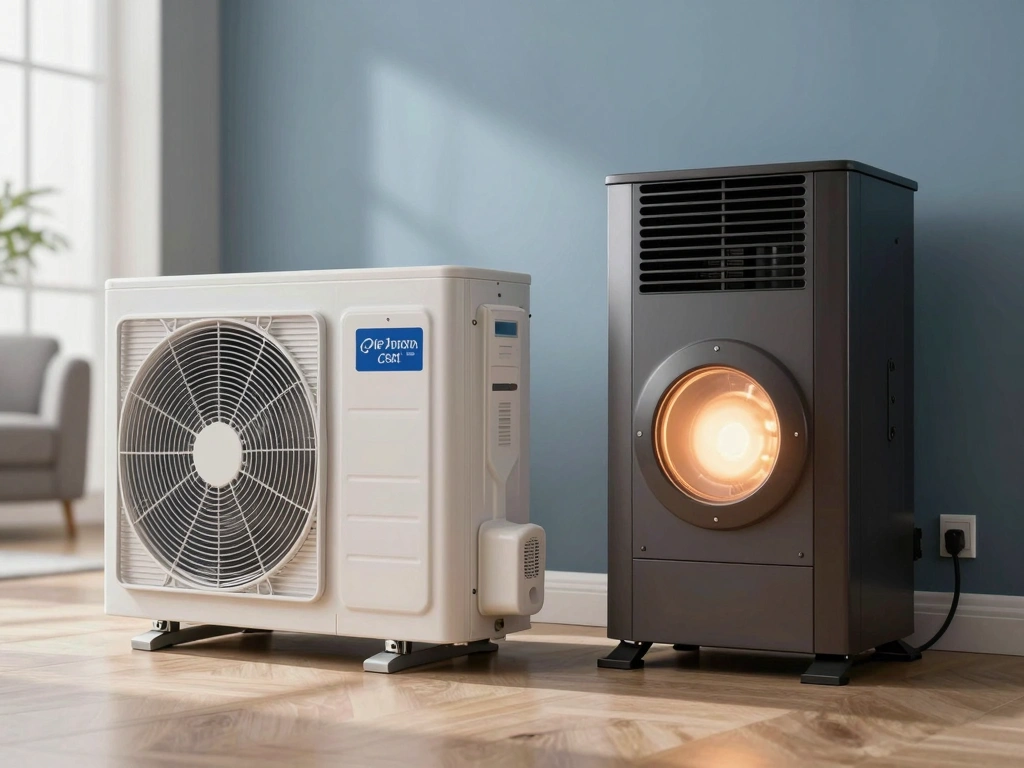
- HVAC Systems: Highly adaptable but may have higher upfront costs.
- Evaporative Coolers: More cost-effective for dry environments but less effective in humid climates.
- Geothermal Solutions: Provide consistent efficiency and effectiveness but can require significant upfront investment.
Long-term Cost vs. Initial Investment
While many Green Cooling systems may come with higher upfront costs, the long-term savings on energy bills can make them a worthwhile investment over time. Understanding the return on investment and payback periods can help in making the right choice.
FAQs about Green Cooling
What types of systems fall under Green Cooling?
Green Cooling encompasses various systems, including HVAC units, evaporative coolers, and geothermal systems which prioritize energy efficiency and sustainability.
How do I maintain a Green Cooling system?
Regular maintenance includes cleaning filters, checking refrigerant levels, and ensuring vents are unobstructed to maximize performance and efficiency.
Can Green Cooling save me money?
Yes! Green Cooling systems often reduce energy bills by using eco-friendly technologies, which can lead to substantial savings over time.
Are Green Cooling systems effective in all climates?
While highly effective in many climates, performance can vary. It's essential to choose a system designed for your local climate conditions.
What are the upfront costs of Green Cooling systems?
Upfront costs can vary widely based on the type of system and installation complexity. However, energy savings often recoup these costs over time.